



















Alpha Apex Group / Agriculture Recruitment

Agriculture Executive Search & Recruitment

Recruit expertise across agriculture and agri-tech.

Alpha Apex Group recruits leaders and specialists across crop science, agri-tech, sustainable farming, research, and operations. We tailor assessment to the scientific, technical, or business contribution you need. Onboarding and integration support connect the hiring priorities with the responsibilities and working relationships of the role.

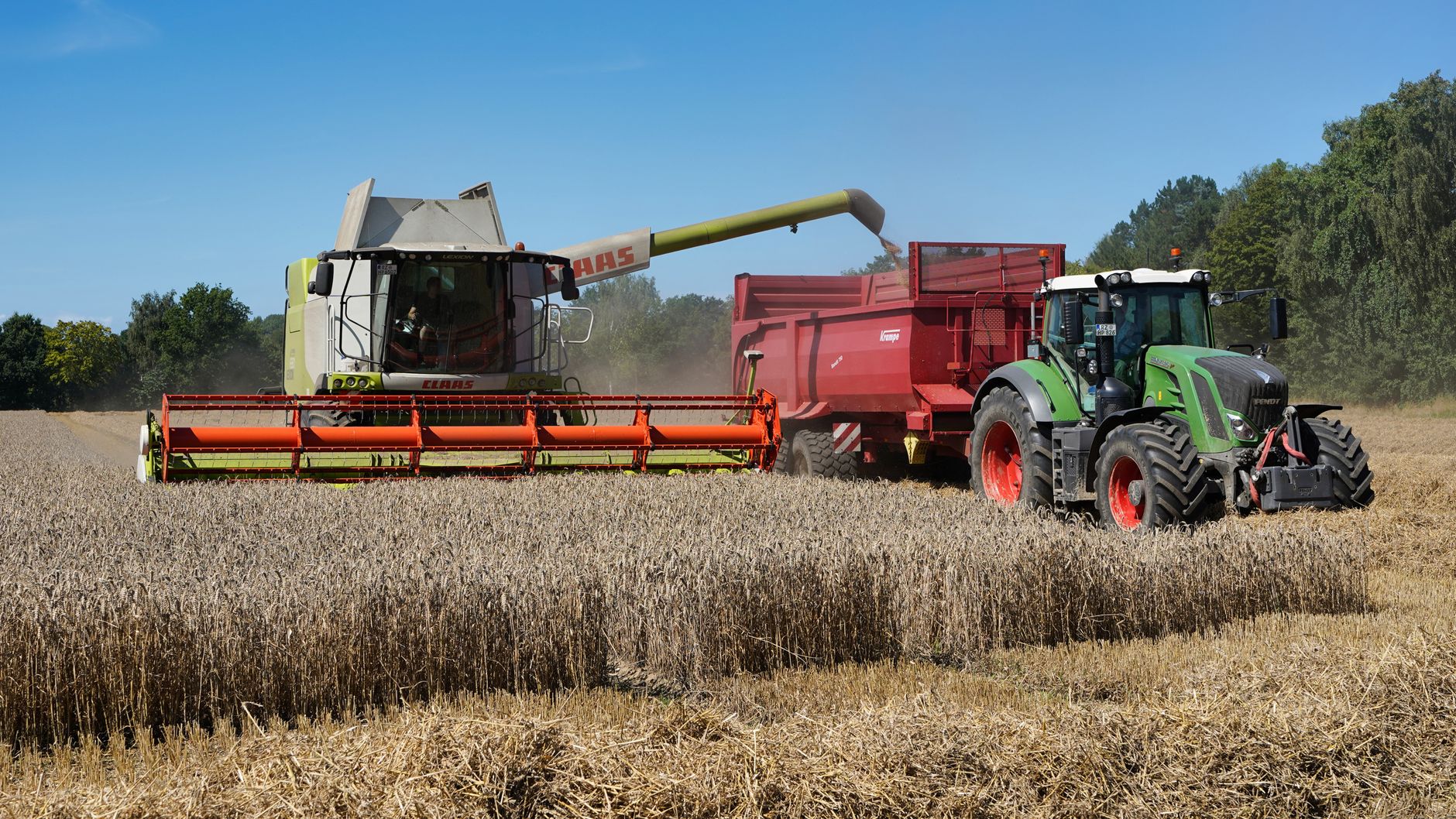
A combine harvester unloading grain into a tractor trailer.

Agricultural expertise. Business leadership. A search grounded in your operating context.

Trusted by the best

01 / Your priorities

Define what the appointment must contribute to your agribusiness.

Start with the agricultural setting, business model, and responsibilities involved. Explain whether the person will lead a business, direct research, develop technology, or manage operational work. Describe the products, crops, customers, or locations relevant to the remit without assuming that sector familiarity alone establishes suitability. The brief should distinguish expertise needed immediately from knowledge the person can develop with access to your team and approved information.

Clarify reporting relationships, decision authority, practical working arrangements, and the support available. Identify the seasonal or project commitments that affect the role and explain how priorities are set. Where growth, sustainability, or innovation features in the mandate, describe the actual decisions involved. Specific expectations help candidates evaluate the opportunity and give your hiring panel a consistent basis for discussing experience and unresolved questions.

Agribusiness direction & executive leadership

Define the business priorities and organizational responsibilities the executive will guide. Ask candidates how they evaluated opportunities, allocated attention, and helped teams understand decisions in comparable roles. Explore their authority and the resources around them. This connects leadership assessment with your agribusiness mandate, distinguishing responsibility for a business or function from involvement in a successful initiative led by someone else.

Crop science and research judgment

Specify the scientific expertise and research responsibilities needed for the appointment. Explore how candidates framed questions, interpreted evidence, and explained limitations in shareable examples. Clarify the work they personally conducted and the expertise contributed by colleagues. Suitable technical assessors can then examine depth in relation to your research context without equating a broad scientific background with experience in every crop, method, or production environment.

Agri-tech expertise & practical adoption

Explain the technology, users, and agricultural problem the role will address. Ask candidates how they understood user needs, tested assumptions, and worked with operational or technical colleagues. Explore how they responded when practical conditions differed from an initial plan. A relevant assessment examines the connection between technical contribution and use in context, including the support and learning needed when joining your organization.

Sustainable farming & operational priorities

Describe the farming practices, responsibilities, and objectives associated with the role. Ask candidates how they evaluated alternatives and discussed practical constraints with colleagues. Explore the evidence behind decisions and the boundaries of their experience. The search should connect sustainability ambitions with the actual work and authority of the appointment, allowing your assessors to examine relevant expertise without relying on broad statements of commitment alone.

02 / Agriculture search scope

Recruit agricultural leaders and specialists around a clear mandate.

Executive, management, and operational appointments

Alpha Apex Group identifies agricultural leaders whose experience relates to your business goals, alongside professionals for management and operations. Explain the scope of responsibility, relationships across the organization, and the decisions the person will own. Candidate assessment should examine comparable contribution and leadership practice in context. This helps your team distinguish experience that transfers directly from knowledge that would need to be developed within your particular agribusiness.

Crop science, agri-tech, and sustainable farming specialists

Connect specialist recruitment with the agricultural questions your organization needs to address. The service sources professionals across crop science, agri-tech, and sustainable farming, with searches tailored to research and practical business needs. Define the discipline, problem, and level of responsibility before considering candidate profiles. Relevant conversations can explore technical reasoning, collaboration, and the limits of previous experience. A focused search helps your panel examine specialist depth while giving candidates an accurate picture of the resources, working relationships, and learning involved in the role.

03 / Our approach

Shape agricultural recruitment around evidence, context, and clear decisions.

01

Agree the mandate and agricultural context

Discuss the business, specialist requirements, and reason for the appointment. Explain the operating environment, location expectations, and relevant commitments. Identify decision makers and technical assessors, then agree the evidence that will support selection. A common brief gives candidate engagement a clear direction and helps your team distinguish essential capabilities from preferences that may be reconsidered as the search develops.

02

Identify and engage relevant agricultural talent

Use the agreed scope to guide proactive candidate identification and conversations. Explore experience with comparable responsibilities, motivation for the opportunity, and the conditions under which candidates have worked. Explain your organization's priorities openly. Early discussions should identify relevant strengths and questions for deeper review, including differences in agricultural setting or business model that may affect how previous experience transfers to the appointment.

03

Examine expertise and leadership through relevant examples

Build interviews around the actual decisions and relationships involved in the role. Ask candidates to explain their contribution, the evidence available, and the limits of an example. Involve assessors suited to the discipline or leadership remit. If an exercise would help, use a bounded fictional scenario or shareable material; candidates should not need to disclose proprietary research, sensitive grower information, or confidential business plans to demonstrate judgment.

04

Support onboarding and integration

Connect selection with a practical introduction to the organization, its priorities, and the people relevant to the role. Agree early responsibilities and the support needed to understand existing work. Follow-up can surface questions about expectations, collaboration, or access to information. Integration should keep the hiring mandate visible while allowing the incoming professional to learn the context before drawing conclusions about practices or future direction.

Agricultural fields and crop production areas viewed from above.

Explore how candidates connect agricultural knowledge with decisions.

04 / Candidate assessment

Assess scientific reasoning, technology judgment, operational understanding, and leadership according to the contribution your agricultural appointment will make.

Strong examples make the candidate's own responsibility clear and explain the conditions, evidence, collaborators, and uncertainty surrounding a decision.

Interpreting evidence within an agricultural setting

Ask a specialist to explain an appropriately shareable research or operational question. Explore what information was available, which assumptions mattered, and what the findings could reasonably support. Clarify the candidate's contribution and how other specialists reviewed the work. This helps your panel examine reasoning and technical depth without assuming that an outcome observed in one setting applies unchanged to your crops, locations, or operations.

Connecting technology with the people using it

Discuss an example where a technical idea needed input from agricultural or operational colleagues. Ask how the candidate gathered feedback, understood working conditions, and revised their approach. Explore their responsibility for the work and the contribution of others. The conversation should reveal how the person handles the relationship between a technical solution and practical use rather than assess familiarity with a product name alone.

Making priorities clear across an agribusiness

For leaders and managers, explore a decision that required balancing several business or operational considerations. Ask how the candidate explained the reasoning, involved relevant colleagues, and handled disagreement. Clarify the authority they held and the support available. Your panel can then assess leadership practice in context and identify what the person would need to understand before taking comparable responsibility within your organization.

05 / Your business

Adapt the search to the agricultural capability you need next.

Agribusinesses appointing executive leaders

Describe the strategic mandate, business scope, and relationship with other decision makers. Explain which priorities are settled and where the incoming leader will help shape direction. Explore comparable authority and how candidates developed teams or handled competing demands. The search should connect leadership experience with your actual opportunity while making the organizational support and expectations clear to both sides.

Research teams adding crop science expertise

Define the scientific questions, methods, and collaboration involved in the appointment. Identify the expertise already present and the contribution the new person should add. Ask candidates about relevant research and the limits of their experience. A precise brief helps technical assessors examine depth and gives candidates a realistic understanding of the work, resources, and responsibilities associated with joining your research team.

Organizations developing agricultural technology

Explain the agricultural use case, users, and stage of the work the appointment will support. Clarify responsibilities across technical development, practical feedback, and operational coordination. Explore how candidates have worked with people holding different expertise. The search should distinguish direct technical experience from transferable judgment and identify where your particular product, agricultural setting, or working relationships would require further learning.

Teams strengthening farming and operational capability

Describe the practices, locations, and management responsibilities involved. Explain the objectives associated with sustainability or operational development in concrete terms. Ask candidates about comparable work and how they evaluated choices with colleagues. A focused search connects expertise with your operating context, including practical expectations and support, rather than assuming that experience in one farming environment covers every aspect of another.

06 / Common questions

Plan agriculture recruitment around the work and expertise required.

Answers about agricultural roles, executive search, specialist assessment, sustainability priorities, transferable experience, integration support, timing, and preparing a useful search brief.

Discuss your agriculture recruitment priorities →
Which agricultural roles does the service cover?

Alpha Apex Group recruits agricultural executives and specialists across crop science, agri-tech, and sustainable farming, including research, operations, and management roles. Describe the responsibility and expertise your organization needs. The search should follow the actual mandate, distinguishing a specialist contribution from management of a team or responsibility for wider agribusiness direction. This helps align candidate engagement and assessment with the appointment.

What should an agriculture executive search brief include?

Explain the business, strategic priorities, organizational scope, and authority of the role. Identify the relationships the executive will manage and the resources available. Describe practical expectations and unresolved questions openly. A useful brief connects leadership requirements with real decisions, allowing candidates and your panel to discuss relevant experience rather than rely on a general seniority level or sector label.

How can specialist agricultural expertise be assessed?

Define the knowledge and responsibilities essential to the role and involve appropriate technical assessors. Ask candidates about relevant work, their individual contribution, and how they interpreted evidence or limitations. A bounded discussion or exercise can help explore reasoning. Assessment should examine the expertise your organization needs while allowing candidates to explain where further learning about your specific agricultural context would be required.

How do sustainability priorities influence the search?

Translate those priorities into the decisions, practices, and responsibilities the person will own. Explain the objectives and the evidence your team uses to discuss progress. Explore candidates' relevant experience and how they handled practical constraints. Commitment to sustainable farming can matter, but the hiring discussion should also establish the knowledge, authority, and collaboration needed to contribute within your organization.

Can experience from another agricultural setting be relevant?

Yes, but assess the connection carefully. Ask which responsibilities and methods are comparable and which conditions differ. A candidate may bring useful scientific, technical, operational, or leadership judgment while needing to learn your crops, locations, customers, or processes. Distinguishing essential expertise from learnable context helps your panel evaluate transferable experience without treating all agricultural backgrounds as interchangeable.

What happens after a candidate joins?

The service includes support for onboarding and integration. Agree its scope around the appointment and your team's needs. Useful topics include approved business or technical context, introductions, decision ownership, and early responsibilities. Follow-up can identify questions requiring internal attention and help the incoming professional understand expectations as they learn the organization and begin working with colleagues.

How long does an agricultural search take?

Timing depends on specialist requirements, role scope, location, candidate availability, and the assessment process. Discuss relevant seasonal or project commitments and assessor availability early. Separate the search period from a possible start date and integration. A realistic plan allows the technical and organizational conversations needed for both sides to understand the opportunity before a selection decision is made.

What information should we share initially?

Provide a high-level description of the agribusiness, hiring need, responsibilities, and essential expertise. Outline practical arrangements and the people involved in selection. An existing role brief can help identify questions to resolve. Confidential research, sensitive grower records, and proprietary commercial information are unnecessary initially; agree suitable arrangements before sharing material required for a later stage of assessment or integration.

Prepare an introduction grounded in your agricultural context

Connect the appointment with approved information, relevant relationships, and clear expectations for the first stage of work.

A useful transition gives the incoming professional access to context and support while allowing time to understand the reasoning behind existing practices.

Share relevant research and business context

Prepare approved background on the work, priorities, and decisions relevant to the role. Explain what is established and what remains under review. Identify the people and information sources that can help the new professional understand the agricultural setting and the basis for current approaches.

Introduce technical and operational collaborators

Arrange conversations with colleagues whose responsibilities intersect with the appointment. Clarify reporting relationships and how shared questions are resolved. These introductions help the person understand where their authority sits and whom to involve when work crosses scientific, technical, operational, or business boundaries.

Agree early responsibilities and feedback

Discuss learning priorities, practical commitments, and how observations will be reviewed. Connect early expectations with the hiring mandate and the support available. Make space for informed questions as the person gains context, while keeping responsibility for decisions and next steps clear.