


















Alpha Apex Group / Executive Search

Oil and Gas Recruitment & Executive Search

Find leaders and specialists for critical energy operations.

Alpha Apex Group supports oil and gas companies recruiting executives, engineers, and technical specialists across upstream, midstream, and downstream operations. We define each position around its operational responsibilities, technical demands, and business priorities, then assess candidates for relevant industry experience, leadership judgment, and practical capability.

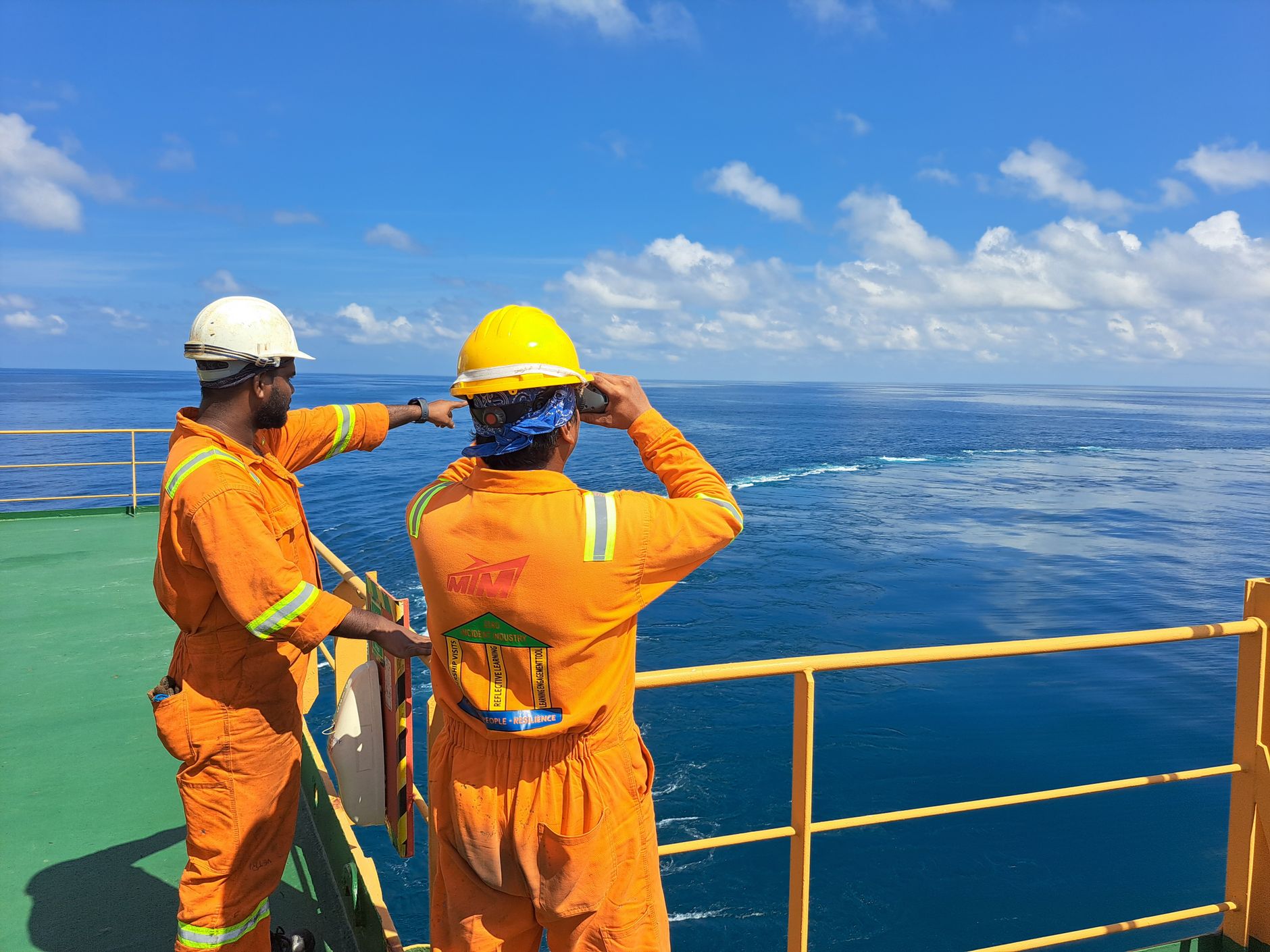
Two oil and gas workers in protective equipment standing on the deck of an offshore platform.

Technical expertise and operational leadership across oil and gas.

Trusted by the best

01 / Your priorities

Hire for technical capability, operational performance, and leadership judgment.

Oil and gas hiring decisions affect production reliability, project execution, workforce safety, and long-term asset performance. Whether you need a drilling manager, reservoir engineer, operations director, or senior executive, the right candidate must understand the technical and commercial realities of the position. Define the operational challenges, level of authority, and performance expectations before beginning the search. Experience in the industry matters, but its relevance to your assets and operating environment matters more.

Recruitment requirements differ across exploration and production, pipeline operations, refining, and oilfield services. Clarify the assets involved, operating conditions, regulatory obligations, and technical competencies required. Consider whether the position demands hands-on engineering knowledge, multidisciplinary team leadership, capital allocation decisions, or contractor oversight. Geographic mobility, rotational schedules, and site access requirements should also be addressed early. A focused hiring brief creates consistent evaluation criteria and helps candidates understand the responsibilities they would assume.

Technical & Operational Expertise

Oil and gas positions require knowledge of specific assets, processes, and operating environments. Identify the engineering disciplines, equipment, production systems, and technical decisions central to the role. Assess whether candidates have managed comparable operational complexity, rather than relying solely on job titles or years of experience. Distinguish essential technical qualifications from capabilities that can be developed after appointment.

Safety & Regulatory Judgment

Safety performance and regulatory responsibilities influence hiring across drilling, production, transportation, and processing operations. Define the position's accountability for operational risk, compliance, incident response, and contractor management. Look for evidence that candidates recognize hazards, make sound decisions under pressure, and understand relevant regulatory frameworks. Evaluate practical safety leadership alongside technical competence rather than treating certifications alone as proof of judgment.

Commercial & Asset Performance

Senior oil and gas professionals often influence production economics, operating expenditure, capital investment, and asset reliability. Clarify the financial and operational measures attached to the position, including budget authority and responsibility for performance improvement. Assess how candidates balance production targets, maintenance requirements, safety obligations, and cost pressures. Relevant experience should demonstrate the ability to make informed trade-offs within the organization's operating model.

Leadership & Workforce Continuity

Leadership vacancies can disrupt technical teams, contractor relationships, and operational decision-making. Establish whether the role involves succession planning, organizational change, workforce development, or management of geographically dispersed teams. Look for candidates who can communicate across engineering, operations, finance, and executive leadership. Consider their ability to transfer technical knowledge, develop successors, and maintain continuity during changes in personnel or operating priorities.

02 / Roles and expertise

Recruit executives and technical specialists across oil and gas operations.

Executive Leadership & Operational Management

Executive searches may include CEOs, COOs, vice presidents of operations, asset managers, drilling directors, and engineering leaders. These positions require decisions about production strategy, capital allocation, operational risk, workforce performance, and asset development. Define the authority, reporting relationships, and financial responsibilities attached to each mandate. Assess candidates against comparable operating environments, leadership experience, and their ability to balance commercial objectives with technical and safety requirements.

Engineering, Technical & Production Specialists

Technical recruitment may cover petroleum engineers, reservoir engineers, drilling and completions engineers, production engineers, geoscientists, HSE managers, and maintenance specialists. Responsibilities vary by asset type, production stage, operating conditions, and regulatory environment. Specify the equipment, engineering methods, technical software, and field experience required. Evaluate candidates through relevant project examples, operational problem-solving, and demonstrated technical judgment, while distinguishing essential qualifications from experience that can be developed through training.

03 / Our approach

A structured search process grounded in operational hiring requirements.

01

Define the Role and Operating Context

We begin by establishing the position's responsibilities, reporting structure, technical requirements, and operational priorities. Discussions cover the assets involved, production environment, safety obligations, and business decisions the successful candidate will influence. We distinguish essential qualifications from preferred experience and clarify compensation, location, travel, and rotational requirements. This creates an agreed hiring brief that guides candidate identification and evaluation throughout the search.

02

Identify Relevant Industry Talent

Candidate identification focuses on professionals whose experience aligns with the technical and leadership demands of the role. We consider backgrounds across exploration and production, drilling, pipeline operations, refining, and oilfield services, depending on the mandate. Evaluation begins with relevant asset exposure, professional responsibilities, and career progression. We also discuss geographic mobility, working arrangements, and compensation expectations to identify potential mismatches before formal interviews.

03

Evaluate Technical and Leadership Capability

We assess candidates against the agreed criteria using structured discussions about previous responsibilities, technical decisions, and operational outcomes. For engineering positions, the assessment examines relevant systems, project complexity, and problem-solving. Leadership searches also consider financial accountability, safety judgment, team management, and stakeholder relationships. Where appropriate, technical interviews or practical assessments can provide additional evidence. Findings help hiring teams compare candidates consistently rather than relying on credentials alone.

04

Coordinate Selection and Appointment

We support the hiring team as it reviews candidates, resolves outstanding questions, and determines the preferred appointment. Discussions address compensation expectations, availability, relocation considerations, and any role-specific conditions requiring confirmation. The employer remains responsible for final selection and applicable employment or technical credential checks. Before the start date, clarify reporting relationships, onboarding responsibilities, and the initial operational priorities so the incoming professional understands the assignment.

Engineering professionals in hard hats reviewing technical blueprints together indoors.

Technical decisions and operational experience inform candidate evaluation.

04 / Candidate assessment

Evaluate technical expertise, safety judgment, and commercial leadership capability.

Assess candidates against the responsibilities, operational conditions, and business decisions that define the position, using evidence from comparable industry experience.

Technical Expertise and Asset Experience

Examine candidates' experience with relevant assets, production systems, engineering methods, and operational challenges. Ask about specific technical decisions, the alternatives considered, and the resulting outcomes. For engineering specialists, assess familiarity with applicable equipment, software, and regulatory requirements. For senior leaders, consider their ability to interpret technical information and challenge recommendations appropriately. Prioritize demonstrated capability in comparable operating environments over broad industry exposure alone.

Safety Leadership and Operational Judgment

Review how candidates have identified operational risks, responded to incidents, and maintained safety standards under production or schedule pressure. Discuss their responsibilities for regulatory compliance, contractor oversight, and operational decision-making. Look for examples where they recognized a hazard, challenged an unsafe assumption, or escalated a concern appropriately. Relevant qualifications matter, but assessment should also establish how safety principles influence decisions in practice.

Commercial Accountability and Team Leadership

For management and executive appointments, examine responsibility for budgets, capital projects, production performance, and multidisciplinary teams. Ask candidates to explain decisions involving cost, reliability, operational risk, and competing business priorities. Assess their approach to contractor relationships, stakeholder communication, and workforce development. Strong evidence connects individual decisions to measurable responsibilities and explains the candidate's contribution without attributing entire organizational outcomes to one person.

05 / Industry sectors

Recruit for the distinct demands of each oil and gas sector.

Upstream Exploration & Production

Exploration and production companies need professionals who understand reservoir performance, drilling programs, well development, and production optimization. Hiring requirements vary by basin, resource type, asset maturity, and operating model. Define the technical challenges and decision authority involved, including responsibility for production forecasts, development budgets, or field operations. Candidates should demonstrate relevant subsurface or operational experience and an understanding of the commercial implications of their decisions.

Midstream, Pipelines & LNG

Midstream organizations recruit for pipeline operations, gas processing, storage, transportation, and LNG infrastructure. Positions may require expertise in asset integrity, process safety, regulatory compliance, maintenance, and large-scale capital projects. Clarify the infrastructure, operating standards, and stakeholder relationships attached to the role. Evaluate candidates against relevant facility experience, reliability responsibilities, and their ability to coordinate engineering, operations, contractors, and regulatory requirements.

Downstream Refining & Processing

Refineries and processing facilities require engineering and operations professionals who can manage complex equipment, continuous production, maintenance programs, and process safety risks. Roles may cover refinery management, process engineering, turnaround planning, reliability, and environmental compliance. Define the facility's technical configuration and operational priorities before assessing candidates. Relevant experience includes balancing throughput, equipment reliability, operating costs, and safety requirements within a regulated industrial environment.

Oilfield Services & Equipment Providers

Oilfield service companies need leaders and specialists who understand technical service delivery, equipment performance, field operations, and customer requirements. Hiring may involve operations managers, field engineering leaders, technical sales executives, and service delivery specialists. Assess experience with relevant technologies, contract obligations, workforce deployment, and customer relationships. Candidates should understand how service quality, operational safety, equipment availability, and commercial performance affect project execution and client retention.

06 / Common questions

Common questions about oil and gas recruitment.

Practical answers about technical recruitment, executive search, candidate qualifications, offshore requirements, hiring timelines, and selecting a recruitment partner.

Discuss your hiring needs →
What does an oil and gas recruitment agency do?

An oil and gas recruitment agency helps employers identify and evaluate professionals for positions across exploration, production, transportation, refining, and oilfield services. Recruitment begins with defining the responsibilities, required technical experience, and operating environment. Depending on the mandate, the process may involve identifying qualified candidates, discussing their experience and availability, coordinating interviews, and supporting the employer's selection of a suitable professional.

What types of oil and gas positions can recruiters help fill?

Oil and gas recruitment can cover executive, management, engineering, and specialist positions. Examples include CEOs, operations directors, asset managers, petroleum engineers, reservoir engineers, drilling managers, production engineers, HSE managers, and maintenance leaders. The relevant candidate profile depends on the organization's assets, project requirements, and technical responsibilities. Some positions require extensive field experience, while others emphasize strategic leadership, financial accountability, or multidisciplinary coordination.

How do oil and gas executive search firms find senior leaders?

Executive search typically begins with an agreed leadership mandate covering business priorities, decision authority, industry experience, and organizational fit. Search firms identify potential candidates whose backgrounds align with those requirements, including professionals who may not be actively applying for positions. Assessment examines leadership responsibilities, operational decisions, financial accountability, and relevant industry experience. Confidentiality and clear communication are particularly important during senior appointments.

What is the difference between oil and gas recruitment and executive search?

Oil and gas recruitment covers a broad range of technical, professional, and management positions. Executive search generally concentrates on senior leadership appointments requiring a more targeted examination of leadership capability, organizational responsibilities, and strategic decision-making. Both approaches need a clear role brief and consistent assessment criteria. The appropriate process depends on position seniority, candidate availability, confidentiality requirements, and the complexity of the hiring decision.

How are technical qualifications and industry experience assessed?

Technical assessment starts with the actual responsibilities of the role, including equipment, production systems, engineering methods, and applicable regulations. Candidates can be asked to explain relevant projects, operational challenges, and decisions they have made. Employers may also use technical interviews, work-related exercises, and credential verification where appropriate. The objective is to establish demonstrated competence rather than relying exclusively on qualifications, titles, or years of experience.

Can oil and gas recruiters source candidates for offshore and remote locations?

Offshore and remote positions require careful consideration of location, working arrangements, and role-specific eligibility. Employers should define rotation schedules, travel expectations, accommodation arrangements, required certifications, medical fitness standards, and applicable work authorization. These requirements should be discussed early with candidates. The employer must confirm the relevant safety, legal, and site-access conditions before appointment, particularly where international mobility or specialized offshore qualifications are involved.

How long does it take to recruit an oil and gas executive?

Recruitment timelines depend on position seniority, technical requirements, geographic location, candidate availability, and the complexity of the selection process. A confidential executive search or highly specialized technical appointment may require more extensive candidate identification and evaluation. Employers can support an efficient process by confirming decision-makers, agreeing essential criteria, providing timely interview feedback, and resolving compensation or relocation considerations early rather than introducing them late.

What should companies look for when choosing an oil and gas recruitment firm?

Evaluate whether a recruitment firm understands the relevant oil and gas segment, technical disciplines, and operating conditions. Ask how it defines search requirements, identifies candidates, evaluates qualifications, and manages confidential information. Consider its approach to geographic mobility, compensation discussions, and stakeholder communication. A clear assessment methodology and realistic explanation of the search process are more useful than unsupported promises about speed or candidate availability.

Before day one

Prepare the incoming professional for operational responsibilities from day one.

A successful appointment requires clear expectations, appropriate site access, and coordinated handover of technical, operational, and leadership responsibilities.

Confirm Operational Priorities

Define the immediate responsibilities, performance expectations, and key decisions assigned to the incoming professional. Identify the assets, projects, or teams requiring early attention and clarify reporting relationships.

Coordinate Technical Handover

Arrange access to relevant operational documentation, safety procedures, technical systems, and project information. Confirm required certifications, site access, and introductions to essential engineering, operations, and contractor contacts.

Establish Leadership Alignment

Agree how performance, operational challenges, and early decisions will be reviewed. Give the incoming professional a clear understanding of stakeholder expectations, decision authority, and escalation responsibilities.