Alpha Apex Group / Boston HR

Boston HR Consulting

HR support for the way your team works.

Alpha Apex Group helps Boston organizations connect people strategy with everyday HR processes and manager support. We start with your priorities, workforce, and operating model. Define clear responsibilities and a practical improvement plan for the employee experiences and management decisions that matter to your team.

Boston skyline with a tall glass tower beside the waterfront.

Clear ownership. Practical processes. Better manager support.

Trusted by the best

01 / Your priorities

Identify where HR needs to make work easier.

HR concerns often arrive as separate requests: managers want faster answers, employees cannot find consistent information, onboarding depends on who remembers a task, or leadership needs a clearer workforce plan. Adding another policy or system does not automatically resolve those issues. Start by identifying the decisions, handoffs, and responsibilities behind the visible problem and the people affected by it.

For a Boston organization, define the actual workforce footprint rather than assuming the office address describes everyone. Employees may work at different sites, remotely, or within teams managed elsewhere. Clarify which decisions belong locally and which are shared across the organization. This makes the engagement more useful and helps identify where internal owners or qualified advisors must confirm requirements for particular employee groups.

People & priorities

Connect the HR agenda to changes in the organization, such as hiring, growth, a new management structure, or a shift in working arrangements. Identify the decisions leadership needs to make and the information available. Prioritize work that addresses a defined need instead of treating every potential HR improvement as equally urgent.

Manager effectiveness

Examine the situations managers handle repeatedly, including onboarding, feedback, role clarity, and team changes. Identify where they need better guidance, a clearer process, or access to specialist support. Useful manager resources should explain responsibilities and next steps without expecting every manager to become an HR expert.

Processes & ownership

Trace how work moves among HR, managers, finance, IT, and other teams. Clarify who initiates, approves, completes, and records each step. A process becomes more dependable when ownership and handoffs are clear. Look for recurring rework and unanswered requests before deciding that a new tool is the primary solution.

Information & experience

Review where employees and managers find HR information and how changes are communicated. Consider whether the same question receives consistent answers across teams and locations. Identify information that needs an owner or review cycle. Clear access and useful explanations can improve the experience without adding unnecessary layers of administration.

02 / Service scope

Choose support that fits the work ahead.

People strategy and HR operating priorities

An engagement can help clarify the people agenda, the HR function’s responsibilities, and the sequence of improvements the organization needs. Discuss the business context, workforce structure, current team, and decisions ahead. Agree what the project should produce, such as a prioritized roadmap, clearer ownership, or a defined operating approach. A useful scope connects strategic priorities with the capacity of the people responsible for carrying them out.

Focused process and manager support

A more targeted project may address onboarding, performance processes, manager guidance, employee communication, or the way HR work is coordinated. Define the specific problem and the boundaries of the assignment. Identify existing policies, systems, and specialist responsibilities that the work must respect. Where questions require legal or other professional review, agree those interfaces with the appropriate advisors. Consulting support should complement the internal team and provide a clear handover for ongoing ownership.

03 / Our approach

Turn HR priorities into practical changes.

01

Define the question and the workforce

Begin with the reason for the engagement and the decisions it needs to support. Map the affected teams, locations, working arrangements, and reporting relationships. Discuss the internal HR capacity and the stakeholders who own related processes. Agree the outputs, information required, and approval points. Make the Boston scope explicit, including whether the work covers a local office, a wider regional workforce, or practices shared across the organization.

02

Understand how the work happens

Review relevant documents, process steps, systems, and stakeholder perspectives within the agreed scope. Ask how a request actually moves through the organization and where it slows down or becomes unclear. Compare written practice with the experience of the people using it. Identify missing information and separate isolated cases from recurring patterns. The assessment should explain what is known, what needs validation, and which dependencies affect the available options.

03

Design a workable response

Develop options that address the underlying issue and fit the organization’s resources. Consider responsibilities, employee experience, manager effort, systems, and communication together. Test proposed changes against realistic situations, such as a new starter joining a distributed team or a manager seeking guidance on a role change. Involve the internal owners who will maintain the process. Make tradeoffs and remaining decisions visible so leaders can choose a direction with a clear understanding of the work involved.

04

Implement and transfer ownership

Agree the sequence of changes, responsible people, review stages, and communication plan. Prepare usable guidance and identify any systems or specialist dependencies before implementation. Help the internal team understand how the new approach should operate and how exceptions will be handled. Define an initial review point to examine adoption, recurring questions, and unfinished actions. A successful handover leaves the organization with clear ownership rather than a process dependent on continuing external involvement.

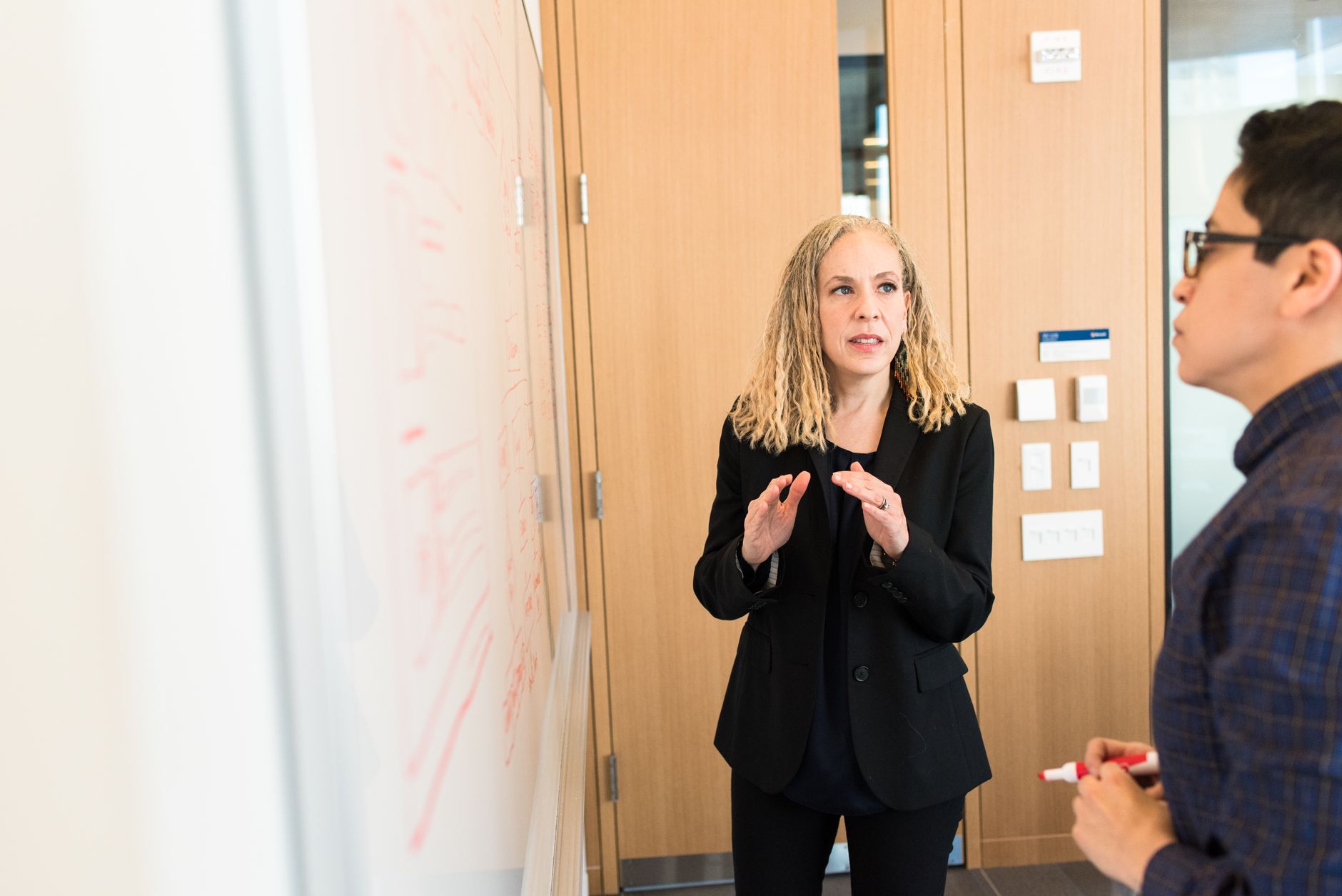
Two colleagues discussing work beside a whiteboard in an office.

Review the HR process from request to resolution.

04 / HR assessment

Examine the decisions behind the employee experience.

An HR assessment should connect the visible issue with the responsibilities, information, and operating practices that shape it.

Clarity of responsibility

Ask who owns the decision, who provides input, and who completes the work. Compare the answers across HR, managers, and related teams. Ambiguity can create delays even when everyone is acting in good faith. Examine where local and central responsibilities overlap, particularly when a Boston team works within a larger organization. The assessment should identify practical ownership gaps and distinguish decisions that need shared input from steps that simply need a clear accountable person.

Consistency across the employee journey

Follow a process such as onboarding or a role change through its key stages. Review what the employee is told, what the manager is expected to do, and what information reaches supporting teams. Look for contradictory guidance or steps that depend on informal knowledge. Consider where variation is intentional because work differs and where it reflects an avoidable gap. This produces more useful recommendations than assuming every team must follow an identical process in every circumstance.

Capacity to maintain the approach

Review the time, skills, information, and systems required to operate the proposed process. Ask what the current HR team can reasonably maintain and where managers need support. A detailed design may be unhelpful if it adds more administration than the organization can sustain. Identify the essential elements first, then sequence further improvements. Agree how documents, process owners, and feedback will be kept current after the engagement concludes.

05 / Your organization

Reflect your team’s operating context.

Growing Boston teams

Growth can expose informal practices that worked when everyone knew one another. New managers may need clearer guidance, and responsibilities may spread across more people. Identify the processes most affected by the increase in scale and the decisions that need consistency. Establish practical foundations before adding complexity. The aim is to support the next stage of the organization while recognizing the capacity of the current HR team.

Boston offices within larger organizations

A local office may follow central policies while managing its own operational needs. Clarify which decisions are shared and which can be made locally. Examine how employees and managers access support when the responsible team is elsewhere. A focused engagement can improve coordination and clarify handoffs without creating a separate set of practices that conflicts with the wider organization. Include central owners where their input or approval is necessary.

Hybrid and distributed teams

Working arrangements affect onboarding, communication, access to support, and the way managers maintain team context. Describe the actual arrangements rather than relying on a broad hybrid label. Identify where employee location, work schedules, and reporting lines create practical differences. Relevant internal and qualified specialist owners should confirm requirements for the affected workforce. The HR design should make responsibilities and communication clear across locations.

Organizations strengthening internal HR

A business may be developing its first dedicated HR capability or expanding an existing team’s remit. Define what HR is expected to own, which responsibilities remain with managers, and where specialist providers contribute. Prioritize the work that will make the function effective in its current context. An external engagement should leave internal owners with usable processes, clear decisions, and a realistic roadmap rather than a list of initiatives without the capacity to deliver them.

06 / Common questions

Plan your Boston HR consulting engagement.

Practical answers about scope, internal ownership, workforce locations, and how the work moves into everyday practice.

Talk through your priorities →
What HR issues can we bring to the first conversation?

Start with the decisions or recurring problems you want to address. These may involve HR operations, manager support, onboarding, people planning, communication, or organizational changes. Explain who is affected and what currently happens. The initial discussion can help distinguish the underlying need from a proposed solution and define a scope that produces useful, achievable outputs.

Does the engagement need to cover every HR process?

No. A focused project can address a particular process, team, or decision when that matches the need. Identify the interfaces with other work so a local improvement does not create a new handoff problem. A broader review may be appropriate when several issues share the same cause, such as unclear ownership or inconsistent information. The scope should follow the evidence rather than assume a full redesign.

Can you work alongside our existing HR team?

The engagement should define how external support complements internal responsibilities. Agree who supplies information, makes decisions, and maintains the work afterward. Your HR team’s knowledge of the organization is central to a practical design. Be clear about the capacity required from internal stakeholders so the project does not depend on contributions they cannot realistically provide.

How do we handle employees outside Boston?

Map where the affected employees work and how they are managed before defining the project boundary. A Boston-based organization may need an approach that accounts for several locations and shared processes. Identify questions requiring review by internal owners or qualified local advisors. Do not assume that the office address alone establishes the requirements or practical experience of the entire workforce.

How long does an HR consulting project take?

Timing depends on the scope, information available, stakeholder access, review requirements, and implementation dependencies. A focused process review differs from a wider operating-model project. Agree the decision stages and responsibilities before committing to a schedule. Separate assessment and design from the work needed to train users, update systems, and establish ongoing ownership.

What information should we prepare?

Bring an outline of the workforce, HR team, reporting relationships, and the issues prompting the discussion. Existing process documents, manager guidance, and examples of recurring questions are useful. Identify known constraints and upcoming organizational decisions. The information does not need to be perfect, but gaps should be visible so the scope and sequence of the work can account for them.

Will the project replace advice from our legal advisors?

The scope should distinguish HR process and people-strategy work from matters that require your qualified legal or other professional advisors. Identify those review points early and agree how the teams will coordinate. This helps prevent a process redesign from being mistaken for approval of every policy or individual decision. Responsibilities should remain explicit throughout the engagement.

How do we know whether the changes are being used?

Agree a small set of indicators tied to the original problem, such as completion of key process steps, recurring manager questions, or the clarity of ownership. Consider both feedback and operating information. Define who reviews the evidence and resolves outstanding issues. The objective is to understand whether the approach works in practice and what needs adjustment, rather than add reporting without a clear decision attached.

Before implementation

Prepare the people who will own the process.

Connect the agreed design with the responsibilities, guidance, and review habits needed for everyday use.

Confirm ownership

Name the decision-makers and process owners. Explain the handoffs between local teams, central HR, managers, and relevant specialists.

Prepare usable guidance

Give employees and managers a clear explanation of what to do, where to find information, and how to get help when a situation is unclear.

Review early use

Check recurring questions and unfinished actions after implementation. Assign responsibility for maintaining guidance and improving the process.