



















Alpha Apex Group / Manufacturing Recruitment

Manufacturing Technology Recruitment & Executive Search

Recruit expertise for manufacturing modernization.

Alpha Apex Group connects manufacturers with technology leaders and specialists for modernization, automation, and digital transformation. We examine your production processes, systems, and efficiency goals. Technical and leadership assessment focuses on the work each hire will own and the operating environment they will join.

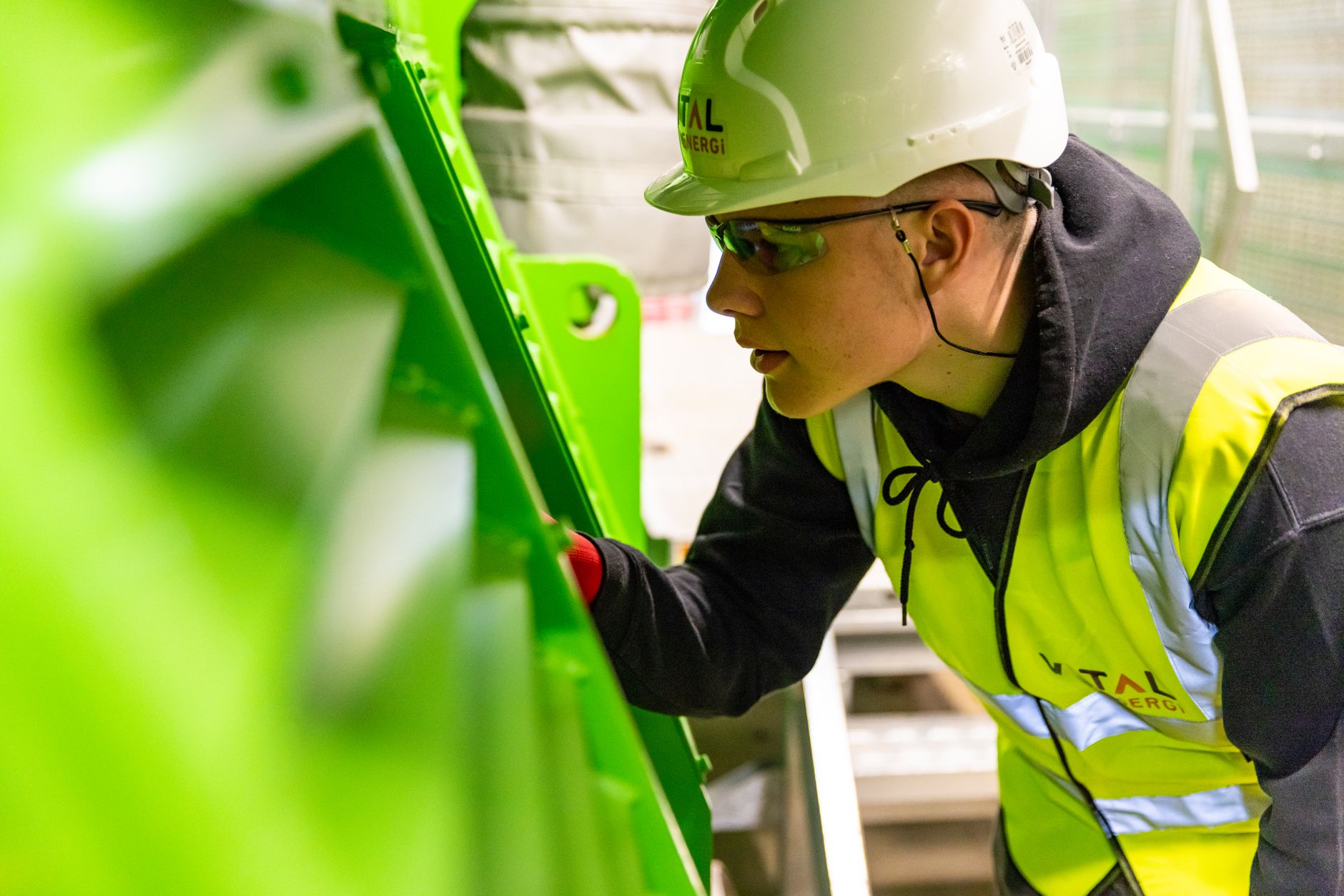
An engineer inspecting industrial machinery on a factory floor.

Production context. Technical judgment. Talent for your manufacturing technology priorities.

Trusted by the best

01 / Your priorities

Start with the production problem and the responsibility you need filled.

Describe your manufacturing activities, technology environment, and the priorities behind the vacancy. Explain whether the role concerns existing systems, a defined improvement initiative, or broader technology leadership. Identify the teams and locations involved. Candidates should understand the working environment and their intended contribution, including which decisions they will own and where they will collaborate with production, engineering, maintenance, IT, or other specialists already responsible for related work.

Clarify what is established and what still needs investigation. Discuss the information, equipment knowledge, vendor support, and internal expertise available. Explain practical expectations around site presence and coordination with operations. A clear starting position helps the search assess relevant experience in context, rather than assume that familiarity with a technology category automatically establishes readiness for every manufacturing process, system configuration, or organizational arrangement.

Manufacturing systems & technical relevance

Identify the systems and production processes the person needs to understand. Explain the depth of technical responsibility and the support available from specialists or vendors. Ask candidates about comparable work and their individual contribution. Assessment should connect knowledge with the decisions involved in your role, including how the person learns unfamiliar details and recognizes when further investigation is needed before recommending a change to the operating environment.
Automation priorities and implementation judgment

Describe the automation work under consideration and the operational need behind it. Clarify whether the hire will evaluate options, lead delivery, or support an established implementation. Explore candidates' experience making those decisions and coordinating affected teams. Useful evidence explains how they approached constraints, dependencies, and adoption, with enough context to distinguish direct responsibility from participation in a wider program led by other colleagues.

Digital adoption & practical improvement

Connect digital transformation goals with specific work in the manufacturing organization. Explain the information, processes, and technology the appointment will help develop. Ask candidates how they translated a proposed improvement into practical action. Explore how users were involved and progress reviewed. This helps assess the ability to guide useful change, including the work required after a tool or system has been introduced into the business.

Leadership & operational collaboration

Describe the people the hire will lead or work alongside and how decisions are coordinated. Ask candidates about communicating technical choices, listening to operational concerns, and supporting colleagues through change. Clarify expectations for management, specialist contribution, or both. Organizational alignment should be assessed through concrete working behaviors, including preparation, constructive challenge, clear ownership, and the ability to explain uncertainty without losing sight of the production needs involved.

02 / Technology hiring scope

Recruit manufacturing technology capability for the work ahead.

Technology leaders and specialist professionals

Alpha Apex Group identifies manufacturing technology leaders and specialists with experience relevant to your production systems and modernization goals. Describe the level of responsibility, technical depth, and relationships required. A leadership appointment and a specialist role may contribute to the same initiative in different ways. The search should examine the contribution actually needed, including whether the person will set direction, manage delivery, or provide focused technical expertise.

Automation, smart factories, and digital transformation

Translate broad technology ambitions into a clear hiring mandate. Our search can focus on advanced manufacturing, Industry 4.0, smart factory initiatives, and digital adoption. Explain what those priorities mean in your organization: the processes involved, current stage, intended outcomes, and responsibilities the hire will carry. Clarify where decisions remain open. A specific brief allows assessment to examine relevant experience and implementation judgment without assuming every manufacturer uses the same systems or follows the same route toward modernization.

03 / Our approach

Shape recruitment around production context and technical responsibility.

01

Review the manufacturing environment

Discuss your production processes, technology stack, efficiency goals, and reason for hiring. Identify essential capabilities, practical arrangements, and the teams involved. Clarify the role's authority and the contribution expected from other specialists. Agree assessment priorities and decision makers so the search has a coherent direction and candidates receive a consistent account of the opportunity throughout the process.

02

Map and engage relevant talent

Use the agreed requirements to guide targeted talent mapping and candidate engagement through Alpha Apex Group's network. Explore experience in manufacturing systems, modernization, and automation relevant to the remit. Ask about personal responsibilities and motivation. Early conversations should establish where experience transfers and where learning would be needed, with enough detail to decide which questions warrant deeper technical or leadership assessment.

03

Evaluate technical and leadership capability

Assess expertise, problem-solving, leadership style, and working practices against the role. Use relevant examples and a bounded hypothetical discussion suited to the technical depth required. Involve appropriate internal assessors. The exercise should reveal reasoning and collaboration without requesting proprietary production information or asking a candidate to design a live system change before they have the context and authorization to do so.

04

Support onboarding and continuing alignment

Agree integration support, relevant introductions, and initial learning priorities. Explain how the hire will access approved information and work with operational colleagues. Our partnership can include advisory discussion on workforce planning, compensation, and organizational design. Define the scope with your team and review questions after placement so the role remains connected with production needs as the person gains a fuller understanding of the environment.

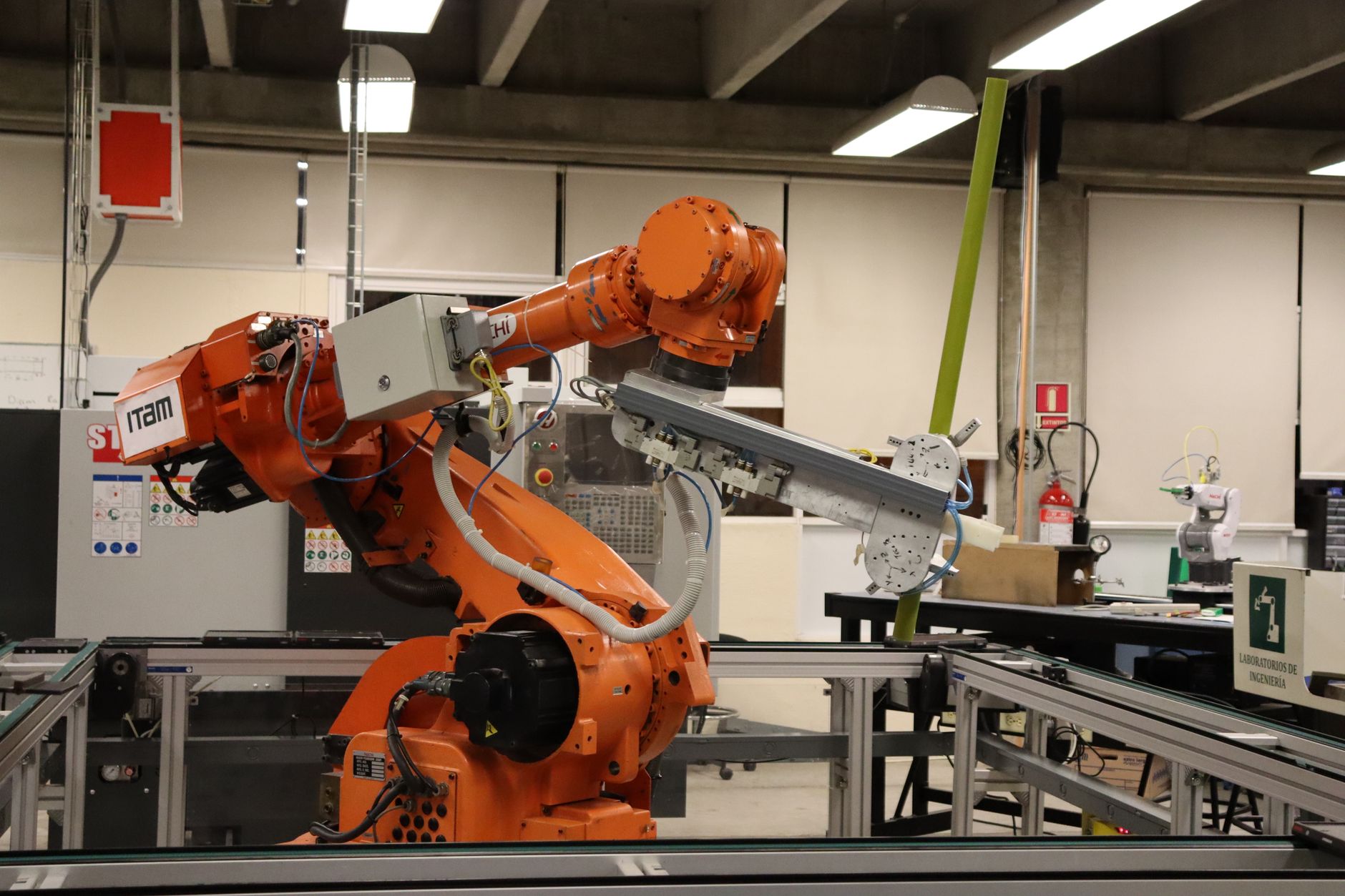
An industrial robotic arm inside a manufacturing facility.

Explore how candidates connect technical reasoning with production needs.

04 / Technical assessment

Evaluate manufacturing systems knowledge, problem-solving, and leadership through examples relevant to the work your new hire will own.

Useful evidence explains the operating context, the candidate's actions, the people involved, and what changed as the work progressed.

Understanding an unfamiliar production system

Ask candidates how they would begin learning a system or process they have not worked with before. Explore the questions they would ask, the documentation they would seek, and the colleagues they would involve. Discuss how they distinguish observations from assumptions. This examines a disciplined approach to learning and technical judgment, rather than reward a quick recommendation made before the production context is understood.

Evaluating an automation opportunity

Present a short fictional improvement brief with competing priorities and incomplete information. Ask how the candidate would clarify the objective, identify dependencies, and compare possible approaches. Explore who should participate in the decision. The discussion should show how they organize an evaluation and communicate tradeoffs, without requiring a detailed engineering solution or suggesting that an interview exercise authorizes changes to actual production equipment.

Helping a team adopt a new way of working

Discuss a technology or process change the candidate helped deliver. Ask how they involved users, explained responsibilities, addressed concerns, and reviewed adoption. Clarify what they personally owned and what others contributed. This provides evidence of practical change leadership, including how the candidate adjusted when implementation exposed new questions and how they connected technical delivery with the work people needed to perform afterward.

05 / Your business

Adapt recruitment to the stage of your manufacturing technology work.

Manufacturers strengthening existing systems capability

Explain the systems in use, the responsibilities needing coverage, and the support already available. Identify what the hire must understand on entry and what local knowledge can be taught. Ask candidates about comparable operating environments. A clear brief distinguishes ongoing technical ownership from a modernization mandate and helps assess the capability needed to contribute within your current production and management arrangements.

Teams preparing an automation initiative

Describe the operational objective and the decisions already made. Clarify whether the hire will assess feasibility, shape the approach, coordinate implementation, or lead a defined part of delivery. Explain available expertise and approval responsibilities. Candidates should understand the stage they will join and the contribution expected, so their experience can be assessed against actual work rather than a broad aspiration to automate.

Organizations expanding digital adoption

Identify the processes, information flows, or working practices the business wants to improve. Explain the technology environment and relationships with existing teams. Explore candidates' experience connecting tools with operational needs and supporting adoption. The search should examine the leadership and specialist contribution required at your current stage, including how the organization will decide priorities and involve the people affected by changes.

Businesses building manufacturing technology leadership

Clarify the team's structure, management needs, and relationship with senior operational leaders. Discuss whether the appointment will establish direction, develop people, or coordinate a portfolio of work. Explore how candidates have led comparable responsibilities. A focused mandate makes the opportunity understandable and helps align expectations about authority, resources, and the decisions the incoming leader will make with existing colleagues.

06 / Common questions

Plan your manufacturing technology recruitment engagement.

Answers about leadership and specialist hiring, systems experience, automation, assessment, digital adoption, advisory support, timing, and preparing the initial brief.

Discuss your manufacturing technology priorities →
Does the service cover both leaders and specialists?

Yes. Alpha Apex Group connects manufacturers with technology leaders and skilled professionals. Describe the technical depth, management responsibility, and contribution the role requires. Clarify whether the person will set direction, lead implementation, or provide specialist expertise. The search can then evaluate experience against the position actually offered and the working relationships needed to support your manufacturing objectives.

Must candidates know our exact manufacturing systems?

Define which knowledge is essential from the start and what can be learned with appropriate support. Consider production context, technical responsibility, and the complexity of the work involved. Assessment can explore how candidates learned unfamiliar systems previously. A tailored brief helps distinguish genuinely necessary experience from preferences while remaining realistic about the time and guidance required to understand your particular environment.

Can recruitment focus on automation or smart factory initiatives?

These areas can guide the search. Explain the production need, technology context, and stage of the initiative. Identify the responsibilities the hire will own and the expertise available elsewhere. Explore candidate experience with comparable work and decisions. This gives assessment a practical focus, rather than assume that a broad reference to automation or smart factories fully describes the capability your organization needs.

How is technical capability evaluated?

Assessment considers manufacturing systems expertise, problem-solving, and the responsibilities involved in the role. Discuss relevant examples and use a bounded hypothetical scenario where helpful. Appropriate internal specialists can assess technical depth. Explore how candidates establish facts, consider constraints, and involve others, with clear distinctions between their own contribution and the work performed by colleagues in previous projects or operating environments.

How do you assess leadership and organizational alignment?

Discuss the working behaviors that matter, including communication, collaboration, delegation, feedback, and constructive challenge. Ask candidates for examples relevant to production and technology work. Explore how they explained decisions and involved affected teams. Alignment should have a concrete connection with the role and environment, giving assessors a clearer basis for comparison than a general impression of personality or familiarity.

What support is available beyond candidate placement?

The service includes onboarding and integration support, with advisory discussion available on workforce planning, compensation, and organizational design. Agree the scope and responsibilities around your needs. Clarify what your internal team will provide and how questions will be reviewed after the start. This keeps support connected with the hire's actual remit and the manufacturing technology organization you are developing.

How long does a manufacturing technology search take?

Timing depends on the required expertise, role scope, location expectations, candidate availability, and assessment process. Separate the search period from the potential start date and subsequent onboarding. Agree interviewer availability and decision ownership early. A realistic plan should reflect the particular manufacturing environment and the conversations needed to evaluate candidates and help them understand the work they would join.

What should we share before starting the search?

Prepare a high-level description of production activities, the technology environment, hiring priorities, and the role's responsibilities. Identify essential experience, practical expectations, and selection stakeholders. An existing brief can help surface open questions. Proprietary process documentation, sensitive system details, and confidential production data are unnecessary initially; agree appropriate arrangements before sharing information required for later assessment or onboarding discussions.

Prepare the hire to learn your production and technology environment

Connect the recruitment brief with approved context, operational introductions, and clear expectations for the first stage of the role.

Give the incoming person a structured route to understanding the systems and teams involved before they take on detailed decisions about changes.

Provide approved technical background

Prepare relevant information about the systems, processes, and priorities within the role. Identify current documentation and the colleagues who can explain it. Distinguish confirmed facts from questions still under investigation so the hire can build an accurate understanding of the starting position.

Introduce operational and specialist partners

Arrange conversations with colleagues involved in production, engineering, maintenance, technology, and other relevant functions. Explain responsibilities and approved ways to coordinate work. These introductions help the hire understand dependencies and where to seek further context before making recommendations.

Agree learning priorities and review points

Clarify the first responsibilities and how questions, observations, and development needs will be discussed. Review expectations as the person learns the environment. Use these conversations to identify additional support and connect the original hiring mandate with a practical contribution to the team.