




















Alpha Apex Group / Mobile Developer Recruitment

Mobile App Developer Recruitment — iOS & Android

Build the team behind your app.

Alpha Apex Group recruits iOS, Android, and cross-platform developers for startups and enterprise teams. We align sourcing and technical assessment with your stack, product roadmap, and team. Define the work ahead, then find developers with the coding skills, product judgment, and collaboration your next release needs.

Laptop displaying code beside a smartphone on a desk.

Roadmap-led hiring. Relevant technical evidence. Product and team alignment.

Trusted by the best

01 / Your priorities

Turn your mobile roadmap into a role your team can assess.

Explain the product goals, current application, and work the developer will own. Distinguish a new build from ongoing development or a change in technical direction. Clarify the platform and team context without reducing the role to a list of languages. A useful brief connects expected responsibilities with the technical and product capabilities required to perform them.

Agree the level of independence, review, and support involved. Identify how the person will work with product, design, backend, and testing colleagues. Separate capabilities needed immediately from familiarity that can develop after joining. Shared criteria help interviewers evaluate the same role and give candidates a realistic understanding of delivery expectations, collaboration, and decision authority.

iOS & Android developers

Recruit developers for the platform responsibilities your product requires. Describe the application, existing codebase, and contribution expected from the role. Assess relevant experience with the technologies in your environment and ask candidates to explain their own implementation decisions. A focused search distinguishes practical capability from simple familiarity with a language or a list of applications on a résumé.
Cross-platform development talent

Source developers with relevant Flutter or React Native experience where those technologies are part of your plans. Clarify the existing architecture, team capabilities, and responsibilities the hire will own. Examine examples of work and the reasoning behind technical choices. Recruitment should follow the product's defined needs and assess experience in context, with any unresolved technology decisions made explicit in the brief.

Senior developers & mobile leads

Define the balance between hands-on development, technical direction, mentoring, and team coordination. Explain which decisions the senior developer or lead will own and where wider agreement is needed. Assess how candidates have reviewed work, supported colleagues, and made tradeoffs understandable. A clear scope helps distinguish an experienced individual contributor from someone ready for the leadership responsibilities your team requires.

User experience & product judgment

Look for developers who understand how implementation decisions affect the experience people have with your application. Explain the collaboration expected with design and product colleagues. Assess how candidates clarify requirements, discuss constraints, and evaluate completed work. Relevant evidence connects technical delivery with user needs without assuming that enthusiasm for design or a polished portfolio explains the person's actual contribution.

02 / Mobile recruitment scope

Recruit mobile developers for your product stage, platform, and team responsibilities.

Platform developers and mobile technical leadership

Alpha Apex Group supports recruitment for iOS and Android developers, including experience with Swift, Kotlin, Flutter, and React Native. The service also covers senior developers, mobile leads, and architects. Define the work and authority involved before selecting a profile. Candidate assessment can then examine relevant technical contribution and leadership expectations against the actual responsibilities of the appointment.

Roadmap alignment and hiring partnership

Shape the recruitment process around your product roadmap and the way your team develops mobile experiences. The approach includes tailored sourcing, technical vetting, interview management, and support across single hires or broader team growth. Discuss post-placement check-ins and the assistance included in your engagement. Clarify the responsibilities your organization retains for product decisions, technical review, and onboarding. A clear scope connects recruitment with practical team participation and keeps expectations understandable as the developer gains context.

03 / Our approach

Build a mobile hiring process around the work, evidence, and decisions that matter.

01

Translate product plans into hiring criteria

Discuss the roadmap, existing application, and responsibilities the hire will own. Clarify platform requirements, team interfaces, and expected independence. Agree the evidence needed to assess technical capability and product judgment. A shared brief helps avoid different interviewers evaluating different versions of the role and gives sourcing a clear direction tied to useful contribution.

02

Identify developers with relevant experience

Consider candidates whose work connects with your product and team needs. Examine their contribution to applications, the environments in which they worked, and the responsibilities they held. Record strengths and questions for assessment. A useful shortlist distinguishes confirmed experience from assumptions based on titles or technology keywords, helping the team select candidates for deeper discussion.

03

Assess technical reasoning and collaboration

Use relevant discussions and appropriately scoped technical assessment to examine the capabilities defined in the brief. Ask candidates to explain choices, constraints, testing, and their own contribution. Explore how they work with product and design colleagues. Keep assessment consistent and proportionate so hiring decisions rest on job-relevant evidence, with unresolved questions made visible before selection.

04

Prepare onboarding and early development work

Agree initial responsibilities, review arrangements, and the context the developer needs before starting. Identify the colleagues who will support product and technical understanding. Discuss check-ins within the engagement scope. A prepared start connects the hiring decision with practical contribution and gives the team a way to revisit assumptions as the new developer learns the application and development process.

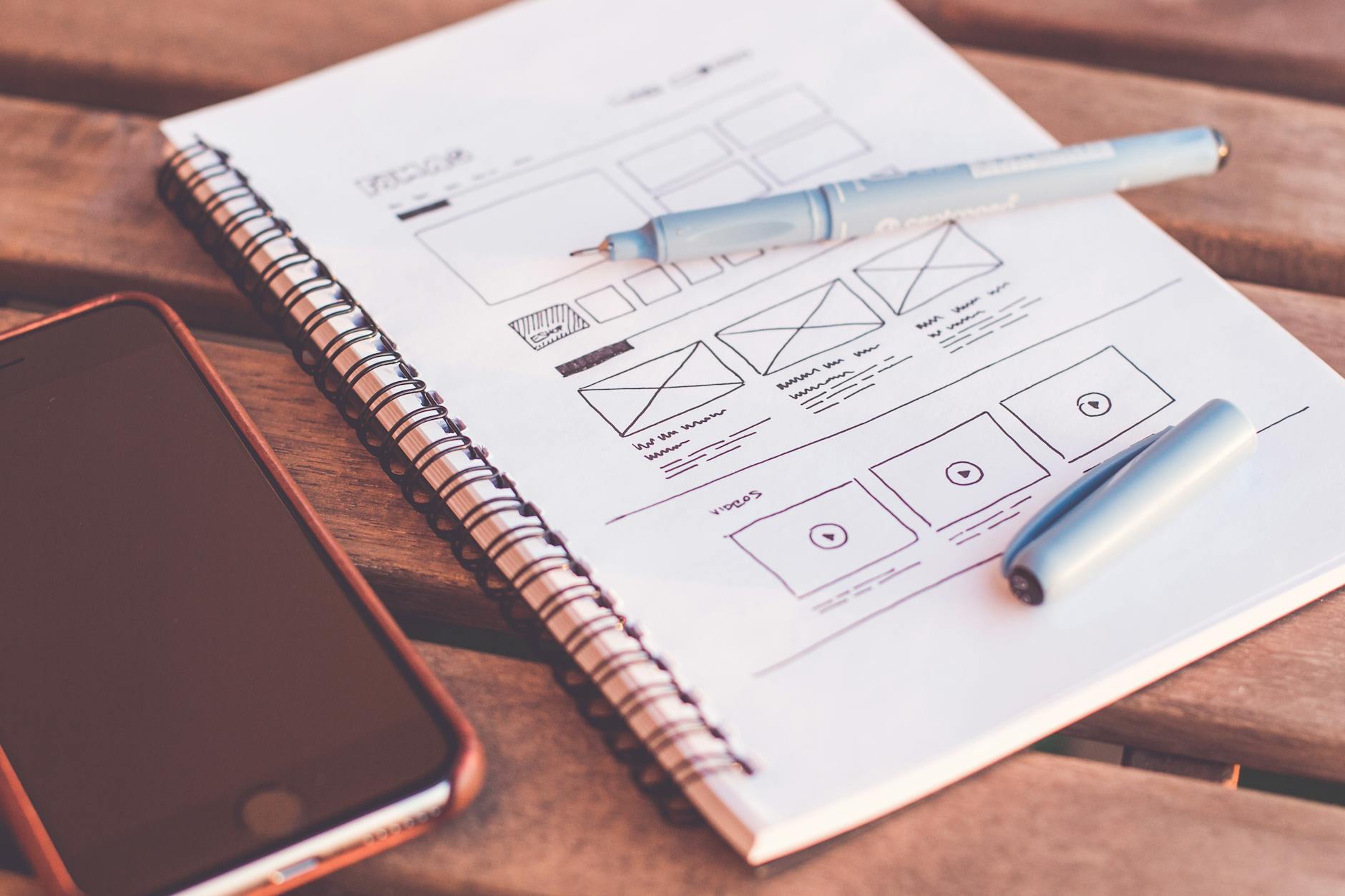
Interface wireframes sketched in a notebook beside a smartphone.

Assess mobile developers through technical contribution and product reasoning.

04 / Developer assessment

Examine how candidates understand requirements, make implementation choices, and collaborate to deliver an application that serves its users.

Use relevant examples and suitable exercises. Assessment should clarify capability without requiring confidential code, customer information, or substantial unpaid work on your product.

Explaining a mobile implementation decision

Ask the candidate to describe a feature or change they personally implemented. Explore the requirements, constraints, alternatives, and review involved. Clarify how they checked the result and what they would revisit. This helps interviewers understand technical reasoning in context and separates an individual's contribution from the work of a larger team or the appearance of the finished application.

Connecting development with user experience

Discuss an example where product or design expectations required clarification. Ask how the developer made constraints understandable and worked toward an agreed approach. Explore how feedback affected implementation. The conversation gives evidence about product awareness and collaboration, helping the hiring team assess how the candidate would work with colleagues rather than simply judging whether they prefer the same design choices.

Maintaining quality while work evolves

Ask how the candidate handled a change to an existing application, including the review and testing approach used in that context. Explore how they identified dependencies and communicated uncertainty. Clarify what they owned and where others contributed. This provides evidence about practical development discipline without assuming that familiarity with a particular tool proves the ability to work responsibly in your codebase.

05 / Your business

Adapt mobile recruitment to the product stage and the contribution your team needs.

Startups building an initial mobile product

Explain the product direction, established decisions, and areas still being explored. Clarify the developer's responsibilities and the support available from product, design, or other engineers. Assess evidence of working through ambiguity at an appropriate level. A realistic brief helps distinguish the capability needed to build the product from an expectation that one hire will perform every technical and product function.

Enterprise teams developing an existing application

Describe the application's context, team interfaces, and review processes at a useful level. Explain the responsibilities the person will own and the constraints they will work within. Assess relevant experience with collaboration and changes to established products. The search should examine readiness for your environment rather than assuming that experience in any large organization transfers without adjustment.

Organizations adding a senior mobile developer

Define the expected contribution to coding, technical decisions, review, and colleague support. Clarify whether the role includes people management or only technical leadership. Ask candidates to explain relevant examples and their actual authority. This helps distinguish seniority in experience from readiness for the specific leadership work and gives the team a clearer basis for evaluating the appointment.

Teams expanding cross-platform capability

Explain the technology already chosen, the application scope, and the existing team's experience. Clarify the new developer's responsibilities and where further investigation is needed. Assess relevant Flutter or React Native work in context, including collaboration and maintenance responsibilities. A specific brief helps the search identify useful capability while keeping unresolved product or architecture decisions separate from candidate selection.

06 / Common questions

Plan mobile developer hiring around the product and the responsibilities behind the role.

Answers about platforms, senior appointments, cross-platform recruitment, technical assessment, product understanding, team growth, onboarding support, and the initial brief.

Discuss your mobile developer search →
What mobile development roles do you recruit?

The service includes iOS and Android developers, cross-platform developers, senior developers, mobile team leads, and architects. Recruitment can consider experience with Swift, Kotlin, Flutter, and React Native. Define the role's responsibilities and your product context so the search can distinguish the expertise required from a broad description of mobile development.

Can you recruit for both native and cross-platform work?

Yes. The service covers developers working across the listed mobile technologies. Explain your existing application, chosen approach, and the responsibilities the hire will own. Candidate assessment should examine relevant implementation experience in context. If technology decisions remain open, make that explicit and clarify whether the appointment includes responsibility for investigating or recommending an approach.

How do you approach senior or lead developer hiring?

Clarify the balance between hands-on development, technical direction, mentoring, and management. Define decision authority and the relationships involved. Ask candidates for examples that show the leadership work they actually performed. This helps the search evaluate readiness for your specific scope instead of assuming that years of experience or a senior title demonstrate every required capability.

How does the product roadmap inform recruitment?

Use the roadmap to identify the work the team needs to perform and the capabilities required from the appointment. Distinguish immediate responsibilities from future possibilities. Clarify dependencies on product decisions and other teams. A focused brief helps sourcing and assessment stay connected with useful contribution while avoiding a profile built from every potential future requirement.

How are mobile developers technically assessed?

Assessment is tailored to the role and can combine relevant technical discussions with appropriately scoped evaluation. Examine implementation reasoning, review, testing, and the candidate's own contribution. Keep criteria consistent and explain the process. The aim is job-relevant evidence without requesting confidential code or expecting candidates to complete substantial work on your commercial product.

Is user experience awareness part of screening?

Yes. The service considers how developers connect implementation with user experience and product needs. Explore examples of collaboration with design and product colleagues, including how requirements or constraints were clarified. Assess specific actions and reasoning rather than assuming that an attractive application or enthusiasm for design establishes the candidate's personal contribution.

Can the service support a wider mobile team buildout?

Yes. Discuss single appointments or a broader sequence of hires in the context of your roadmap and existing team. Clarify complementary responsibilities, hiring priorities, and the support needed for onboarding. Agree recruitment and post-placement activities within the engagement so growth plans reflect the organization's capacity to integrate and support the people joining.

What should we share in the first conversation?

Describe the application, product stage, technologies in use, and the work the new developer should own. Outline team relationships, location or working arrangements, and essential experience. Confidential source code and customer records are unnecessary initially. Agree suitable information-sharing arrangements before providing material needed for a detailed brief or assessment.

Prepare a useful start in the mobile development team

Give the developer clear responsibilities, product context, and access to the people who can support their understanding of the application.

A prepared transition connects the search criteria with practical development work and makes review, support, and early expectations understandable.

Agree initial work and review expectations

Choose responsibilities that reflect the appointment and explain how work is reviewed. Identify dependencies and questions that need clarification before implementation. This gives the developer a realistic starting point and helps the team distinguish learning the codebase from assumptions about immediate independent delivery.

Connect product and technical context

Arrange relevant introductions and documentation through your onboarding process. Explain product priorities, team conventions, and decision ownership. Identify who can clarify design, backend, or testing questions. Clear context helps the developer understand how their work fits the application and the responsibilities of colleagues.

Review progress and support together

Agree early conversations about understanding, contribution, and obstacles. Consider the support and context available before changing expectations. Make decisions explicit when new information affects responsibilities or priorities. A shared review approach helps the team and developer adjust constructively as the person gains experience with the product.