Alpha Apex Group / Artificial Intelligence

Artificial Intelligence Consulting

Put AI to work on the right problem.

Alpha Apex Group helps organizations assess AI opportunities, shape implementation plans, and establish ownership. We begin with the workflow you want to improve and the people who will use the solution. Define the evidence of success before choosing the technology and committing to delivery.

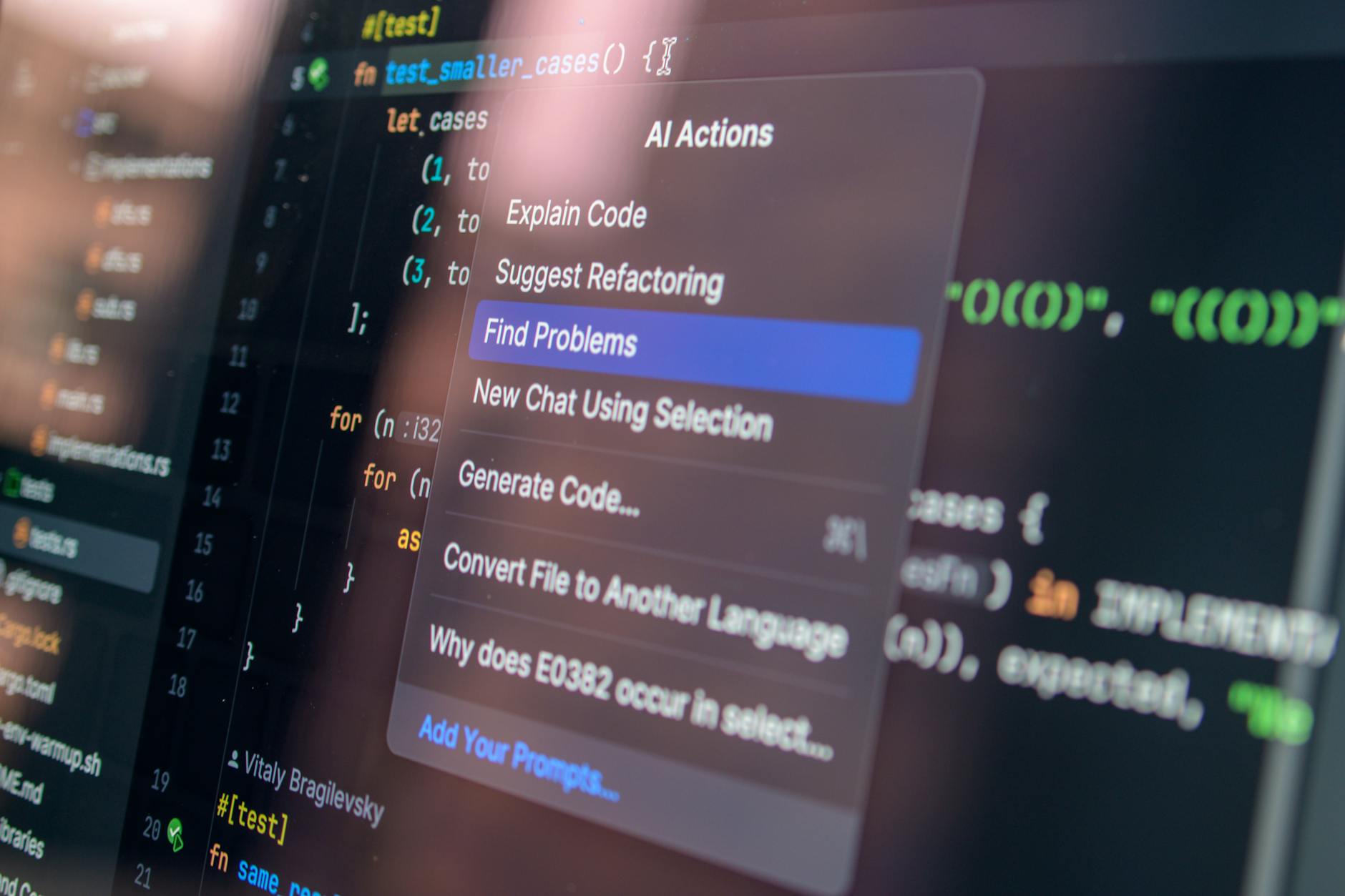
Code editor showing AI-assisted options for explaining code and finding problems.

Defined use cases. Tested results. Clear operating ownership.

Trusted by the best

01 / Your priorities

Choose a useful problem before choosing a technology.

A broad request to adopt AI can conceal very different needs. One team may want help finding information, another may need to classify incoming documents, and a third may be exploring support for forecasting or service operations. These are different workflows with different inputs, evaluation needs, and implementation dependencies. The project should explain the problem clearly enough to compare an AI approach with other ways of addressing it.

Identify the current process, the people affected, and the result the organization wants to improve. Establish a baseline and discuss what would count as a useful change. Consider the consequences of an incorrect or incomplete output and the decisions that should remain with accountable people. This gives the initiative a practical starting point and makes it easier to decide whether to proceed, narrow the scope, or address another dependency first.

Use case & value

Define the task, intended users, and expected contribution to the workflow. Separate a demonstration of technical possibility from a business need worth pursuing. Agree how the team will compare outcomes with current practice, including the effort required to use, review, and maintain the proposed solution.

Data and access

Identify the information the use case requires, where it comes from, and who can authorize its use. Review availability, quality, permissions, and update responsibilities with the relevant owners. Make gaps visible before they become implementation surprises. The design should account for the actual information environment rather than an idealized dataset.

Evaluation & control

Define how the team will test outputs and recognize unacceptable results. Include representative examples and cases that are difficult for the workflow. Agree where people review, approve, or override the output and how exceptions are handled. Evaluation should support a release decision and remain useful after the initial project.

Integration & adoption

Map the systems, users, and operating steps the solution must connect with. Identify what changes for the people doing the work and who will support them. Plan for access, training, monitoring, and maintenance alongside implementation. A project is not complete simply because a demonstration runs successfully.

02 / Service scope

Set a scope that connects discovery with delivery.

Opportunity assessment and AI planning

An initial engagement can examine candidate use cases, readiness, and the decisions needed to select a practical starting point. Define the business processes, stakeholders, and information included in the review. The output may be a prioritized opportunity set, a scoped pilot, or an implementation roadmap with explicit dependencies. Agree how options will be compared and who owns the decision to proceed so the assessment produces direction rather than an expanding collection of ideas.

Implementation and operating design

A delivery-focused engagement can address the selected workflow, technical approach, evaluation process, and operating responsibilities. Clarify the boundaries of implementation and the interfaces with your existing technology, data, security, and business teams. Identify any external providers and the reviews needed before their services are used. Agree the acceptance criteria, handover expectations, and support responsibilities. The plan should describe what the organization needs to operate the solution after the initial work is delivered.

03 / Our approach

Move from a defined workflow to an informed release decision.

01

Frame the problem and baseline

Discuss the task, intended users, current process, and reasons for considering AI. Identify the inputs, decisions, and outputs involved, along with the effort and limitations of current practice. Agree the outcomes the project should improve and how they will be observed. Define the stakeholders responsible for the workflow and the conditions that would make the use case unsuitable. This provides a shared brief for assessing options and prevents technology choices from setting the scope prematurely.

02

Assess readiness and select an approach

Review the information, access, systems, and internal capabilities needed for the proposed use case. Identify dependencies and the owners who can resolve them. Compare practical approaches against the business requirements, including whether an existing tool, a simpler process change, or a tailored implementation is appropriate. Make assumptions about cost, effort, and ongoing operation explicit. The selected direction should fit the workflow and the organization’s capacity to implement it.

03

Build and evaluate a bounded solution

Define a manageable initial scope and the examples needed to test it. Evaluate the solution against agreed criteria, including difficult cases and the experience of intended users. Record limitations and unresolved questions rather than treating a successful demonstration as proof of readiness. Involve the relevant business and technical owners in reviewing results. Use the evidence to decide whether to improve the approach, change the scope, stop the experiment, or prepare a controlled introduction into the workflow.

04

Prepare adoption and ongoing ownership

Plan the release around user guidance, access, review responsibilities, and a clear path for exceptions. Identify who monitors performance, maintains the supporting information, and approves changes. Define what happens if the solution is unavailable or its output is unsuitable. Agree how feedback and operating evidence will be reviewed after introduction. The handover should connect technical delivery with a practical operating model and make the responsibilities of internal teams and providers explicit.

Two developers reviewing code at computer workstations.

Test the workflow, not just the demonstration.

04 / Readiness assessment

Evaluate the conditions needed for a useful AI initiative.

Readiness involves more than selecting a tool. Examine the use case, the evidence available for testing, and the organization’s ability to operate the result.

A task with an observable outcome

Ask what a user needs to accomplish and how the team would recognize a useful result. Define the input, output, and decision boundaries in ordinary operational terms. Identify where the task varies and which cases need different treatment. If success cannot yet be evaluated, the next step may be to clarify the workflow or establish a baseline. A well-defined task makes it easier to compare approaches and interpret the results of a pilot.

Information and evaluation evidence

Review the information needed to run the use case and the examples needed to assess it. Confirm who owns access decisions and how updates will be maintained. Consider whether the test examples represent the work the solution will encounter, including incomplete or unusual inputs. Avoid allowing a small set of favorable demonstrations to stand in for a broader evaluation. The assessment should identify what can be tested now and what evidence is still missing.

Operational responsibility and review

Identify the team responsible for the solution once it is in use. Clarify how users raise concerns, who reviews output quality, and who can approve a change or pause its use. Consider the skills and capacity required to maintain the approach. The appropriate level of review depends on the task and the consequences of error. A practical operating model makes those choices explicit and connects them with the organization’s existing responsibilities.

05 / Your organization

Match the initiative to the workflow and stage of adoption.

Organizations exploring their first use case

Start with a defined problem and a manageable scope. Gather input from the people doing the work and identify the information needed to evaluate an approach. Avoid treating a first project as a commitment to transform every process. An early engagement should help the organization learn which assumptions hold, what support is required, and whether the selected use case justifies further investment.

Teams moving beyond a demonstration

A demonstration may show an attractive capability while leaving integration and operating questions unresolved. Review how the proposed solution will receive information, return results, and fit into the user’s work. Examine access, evaluation, support, and maintenance responsibilities. Identify what must be completed before a release decision can be made. This creates a clearer path from experimentation to a solution that the organization is prepared to operate.

Businesses coordinating several initiatives

When several teams are exploring AI, establish a common way to describe use cases, dependencies, and evaluation results. Clarify which decisions can be made locally and which require shared review. Identify repeated needs, such as access to information or integration with an existing system. Coordination should help teams make consistent decisions without forcing unrelated workflows into the same design or slowing every experiment with unnecessary process.

Organizations improving an existing solution

Begin with the actual operating issue, such as inconsistent results, poor adoption, difficult maintenance, or unclear ownership. Review feedback and performance evidence in the context of the original use case. Determine whether the problem lies in the workflow, supporting information, implementation, or expectations. Agree what needs to change and how the improvement will be tested. A focused review can be more useful than expanding functionality before understanding the current limitation.

06 / Common questions

Plan an AI initiative with clear expectations.

Practical answers about use cases, pilots, evaluation, integration, and the responsibilities that continue after implementation.

Talk through your priorities →
Where should we begin with AI consulting?

Bring a workflow or business problem you want to examine, even if the technical approach is not yet clear. Explain who does the work, what information they use, and what is difficult about the current process. The first discussion should identify the outcome, constraints, and evidence needed to assess an opportunity. A tool shortlist is not required to begin that conversation.

Do we need to build a custom AI solution?

Not necessarily. The right approach depends on the task, existing systems, information requirements, and operating constraints. An existing product or a simpler process improvement may address the need. Compare options against the same requirements and consider ongoing effort as well as initial implementation. A custom build should follow a clear reason rather than become the default starting assumption.

What makes a pilot useful?

A useful pilot has a bounded use case, representative test examples, clear evaluation criteria, and a decision it is intended to inform. Identify what the pilot will not establish, particularly about wider deployment or different users. Agree the conditions for proceeding, revising, or stopping. The result should help the organization make a choice, rather than simply demonstrate that a technology can produce an output.

How should we evaluate the results?

Define criteria around the actual task and the consequences of incorrect or incomplete outputs. Compare results with a relevant baseline and include difficult cases. Consider the user effort required to review and act on the output, not just the output in isolation. Record limitations and review findings with the business and technical owners responsible for the release decision.

How long does an AI consulting engagement take?

Timing depends on the scope, data access, integration requirements, evaluation needs, and availability of internal stakeholders. An opportunity assessment differs from implementation or a broader operating review. Identify dependencies before committing to a schedule. Separate a pilot’s completion from the work needed for deployment, user preparation, and ongoing support.

Who should participate from our organization?

Include the business owner and people who understand the workflow, alongside the relevant technology and information owners. Security, privacy, legal, or other specialists may need to review particular aspects within their remit. Agree their involvement around specific decisions and requirements. The engagement needs access to operational knowledge as well as technical input to produce a workable result.

What if our information is incomplete or inconsistent?

Make those limitations visible during the assessment. Determine which gaps affect the selected task and what would be required to address them. The appropriate next step may be to narrow the use case, improve the information process, or defer implementation. Avoid assuming that the solution can compensate for every unresolved issue in the inputs or the workflow.

How do we keep the solution useful after launch?

Assign ownership of monitoring, supporting information, user feedback, and changes. Define how issues are escalated and when the approach should be re-evaluated. Keep the evaluation process connected to the real workflow as it evolves. A clear handover and review rhythm help the organization maintain an informed view of performance and decide when adjustments are needed.

Before release

Prepare the people who will use and operate the solution.

Connect implementation with user guidance, evaluation, and accountable ownership.

Confirm acceptance criteria

Agree the evidence needed for release and identify unresolved limitations. Make the decision and its scope explicit to the responsible stakeholders.

Prepare the workflow

Explain how users receive results, review them, and handle exceptions. Confirm access, support, and the process to follow when the solution is unavailable.

Assign ongoing ownership

Name the owners of monitoring, information updates, and change approval. Establish a review rhythm tied to operating evidence and user feedback.


















