Alpha Apex Group / Executive Search

Semiconductor Recruitment & Executive Search

Find specialized talent across the semiconductor industry.

Alpha Apex Group provides semiconductor recruitment and executive search for chip designers, manufacturers, foundries, and equipment suppliers. We help employers define technical requirements, identify experienced engineering and operational leaders, and assess candidates against the design, production, and commercial challenges their roles must address.

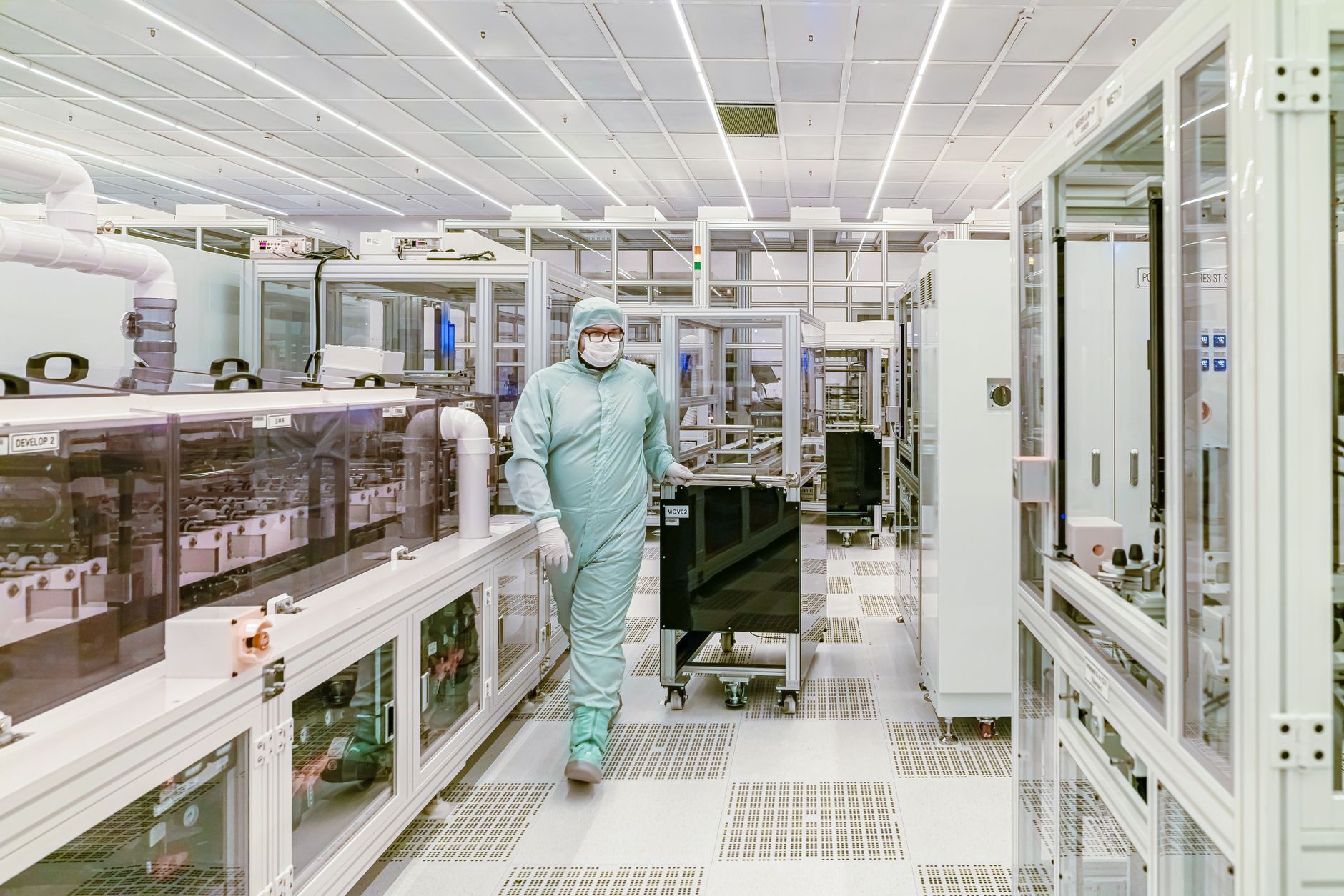
Scientist in protective clothing working inside a high-tech cleanroom laboratory.

Technical expertise and leadership for complex semiconductor operations.

Trusted by the best

01 / Your priorities

Hire semiconductor specialists who meet technical and operational demands.

Semiconductor hiring decisions affect product development, manufacturing performance, and the ability to meet commercial commitments. A chip design company may need engineers with specific architecture experience, while a fabrication facility requires specialists who understand process stability, yield, and equipment performance. Alpha Apex Group approaches these searches by examining the technical environment, business objectives, and responsibilities behind each vacancy rather than relying on broad engineering titles.

Before starting a search, establish the required semiconductor technology, seniority, project stage, and operating environment. Separate essential technical knowledge from experience that can be developed after hiring. Consider whether the position requires hands-on engineering, cross-functional leadership, or accountability for production results. These distinctions help define relevant candidate backgrounds, set realistic expectations, and evaluate the trade-offs between specialized expertise, leadership experience, and candidate availability.

Specialized Technical Expertise

Semiconductor roles often depend on familiarity with particular process technologies, device architectures, design tools, or manufacturing equipment. An engineer experienced in digital IC verification may not have the background required for analog design or process integration. Define the technologies, development responsibilities, and technical problems the candidate must handle. Evaluate direct experience where essential and identify adjacent expertise that could reasonably transfer.

Manufacturing and Yield Performance

Foundries and semiconductor manufacturers need professionals who understand production constraints, equipment reliability, process variation, and quality requirements. Hiring decisions should account for the facility's maturity, production volume, and improvement priorities. Examine whether candidates have supported new process introductions, resolved yield losses, improved equipment performance, or managed operational risks. Distinguish experience in established production environments from the demands of a new fabrication ramp.

Engineering and Executive Leadership

Senior semiconductor leaders must connect technical decisions with investment priorities, product roadmaps, and organizational capabilities. A VP of Engineering may oversee design teams and development milestones, while a manufacturing executive manages capital-intensive operations and production performance. Assess the candidate's decision authority, leadership scope, and experience balancing technical risks against commercial objectives. A strong engineering background alone does not establish executive readiness.

Talent Availability and Mobility

Semiconductor talent pools can be constrained by specialized experience, geographic concentrations, and competition between employers. Confirm location requirements, relocation flexibility, compensation expectations, and any relevant work authorization considerations early. Determine whether the position requires continuous on-site involvement or permits some flexibility. A realistic search brief should distinguish requirements that cannot change from preferences that might unnecessarily exclude capable candidates.

02 / Roles and expertise

Recruit specialized engineers and leaders across semiconductor operations.

Semiconductor Engineering and Technical Recruitment

Semiconductor engineering recruitment covers IC design, ASIC and SoC development, verification, physical design, process engineering, equipment engineering, yield improvement, packaging, and test development. Requirements differ between fabless design companies, foundries, and integrated device manufacturers. A design engineer may need expertise in EDA tools and verification methodologies, while a process engineer must understand fabrication steps and production variability. Define the technologies, technical responsibilities, and development or manufacturing challenges involved so candidates are evaluated against the work they will actually perform.

Semiconductor Executive Search and Manufacturing Leadership

Executive search focuses on CTOs, VPs of Engineering, VPs of Operations, fab directors, manufacturing executives, and senior R&D leaders. These appointments require more than technical credibility. Candidates may need experience managing engineering organizations, capital investments, production ramp-ups, supplier relationships, and complex product development programs. Assessment should examine leadership decisions, operational accountability, and experience translating technical priorities into business outcomes. The search must also reflect company stage, reporting relationships, and whether the mandate involves growth, transformation, or operational improvement.

03 / Our approach

Structure every search around technical requirements and business priorities.

01

Define the Technical and Leadership Requirements

Begin by clarifying the position's responsibilities, reporting structure, technical environment, and business objectives. Identify relevant semiconductor technologies, process nodes, design methodologies, manufacturing equipment, or leadership experience. Discuss the problems the new hire must address and the decisions they will own. Separate essential qualifications from preferred experience, then agree on evaluation criteria, compensation parameters, location requirements, and the stakeholders responsible for hiring decisions.

02

Identify and Engage Relevant Semiconductor Talent

Develop a candidate profile based on the agreed technical and operational requirements. Consider professionals from relevant semiconductor manufacturers, design companies, foundries, packaging providers, and equipment suppliers. Examine whether adjacent industry experience could satisfy specific responsibilities. Discuss career interests, location preferences, and compensation expectations when engaging prospective candidates. The objective is to identify people whose experience matches the actual mandate, not simply those holding comparable job titles.

03

Evaluate Technical Capability and Leadership Judgment

Assess candidates through structured discussions focused on relevant engineering work, manufacturing challenges, and leadership responsibilities. Examine their contributions to chip development, process improvement, yield optimization, production ramp-ups, or organizational performance, depending on the position. Distinguish individual technical contributions from team achievements and clarify decision authority. For executive appointments, evaluate how candidates manage competing priorities, technical uncertainty, capital constraints, and cross-functional relationships.

04

Coordinate Selection and Appointment Decisions

Present relevant candidate information against the agreed requirements and support discussions between hiring stakeholders. Address outstanding questions about technical experience, leadership fit, compensation, relocation, and the expectations of the role. Coordinate feedback and clarify any differences in assessment before a final decision. Once an appointment is agreed, confirm responsibilities, reporting relationships, and initial priorities so the incoming professional understands the operational or development mandate.

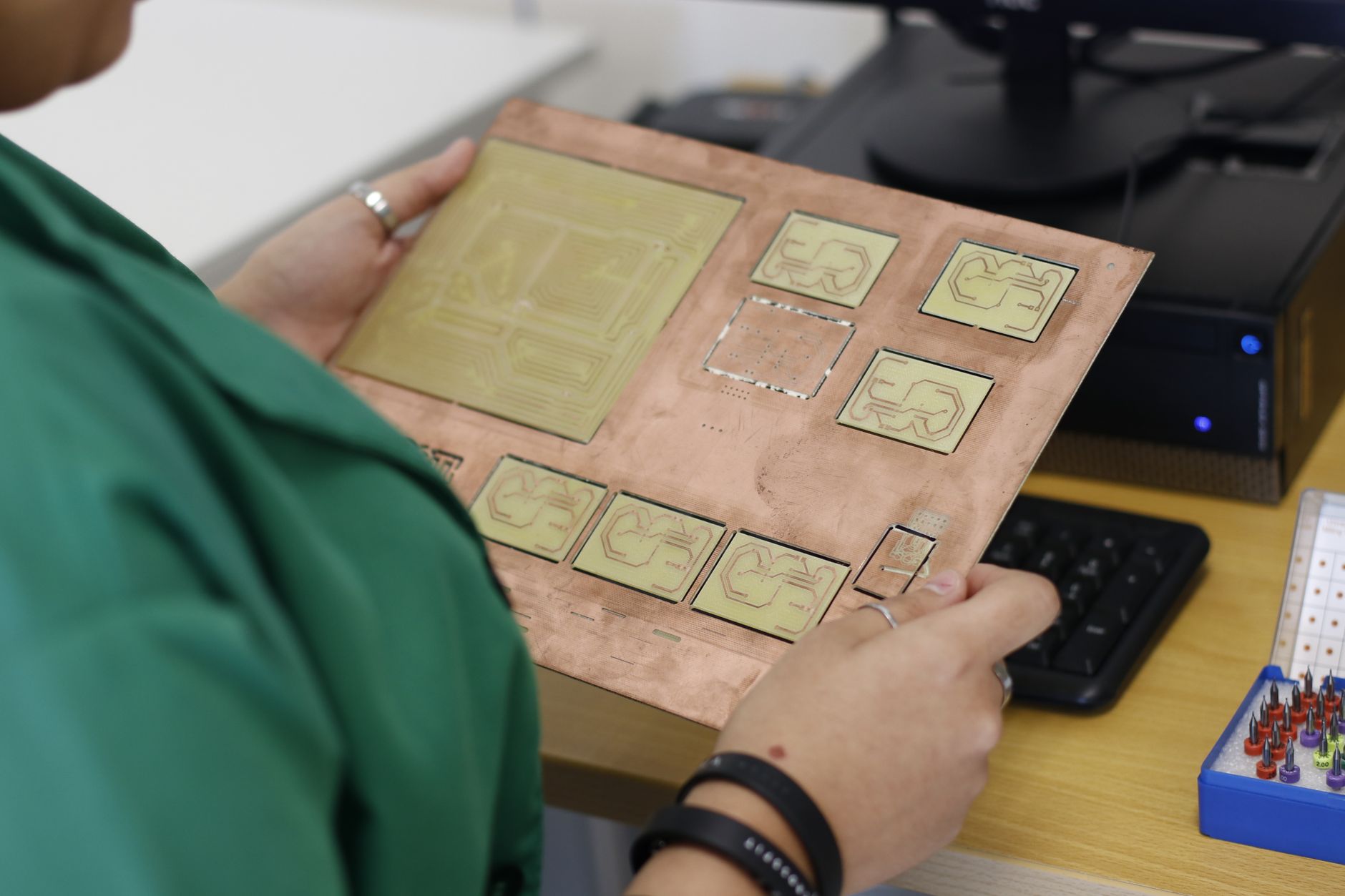
Technician inspecting a printed circuit board at an electronics workstation.

Technical discussions grounded in engineering evidence and operational experience.

04 / Candidate assessment

Evaluate semiconductor expertise through practical evidence and demonstrated decisions.

Assess technical depth, project ownership, and leadership judgment against the specific engineering, manufacturing, or executive responsibilities of the position.

Semiconductor Technology and Technical Depth

Examine candidates' direct experience with the semiconductor technologies relevant to the position, including device architectures, design methodologies, fabrication processes, or test equipment. Ask them to explain technical decisions, constraints, and problems they personally addressed. For engineering roles, distinguish theoretical familiarity from hands-on responsibility. Consider whether experience with different process nodes, technology platforms, or production environments can transfer without creating unacceptable development or manufacturing risks.

Engineering Execution and Manufacturing Results

Review evidence of contributions to product development, tape-outs, process improvements, yield performance, equipment reliability, or production ramp-ups. Ask candidates to explain the initial problem, their responsibilities, the actions taken, and how outcomes were measured. Distinguish individual accountability from broader team achievements. Assess how they handled technical setbacks, quality requirements, schedule pressures, and trade-offs between performance, cost, and manufacturing feasibility.

Leadership Judgment and Cross-Functional Accountability

For senior appointments, evaluate how candidates have directed engineering teams, managed operational priorities, and coordinated decisions across design, manufacturing, quality, and commercial functions. Discuss situations involving resource constraints, technical uncertainty, or conflicting stakeholder objectives. Examine the scale of their responsibility and the decisions they personally owned. Look for evidence that they can communicate technical risks, develop capable teams, and connect engineering performance with business requirements.

05 / Industry segments

Address the distinct hiring demands across the semiconductor value chain.

Fabless Semiconductor and IC Design Companies

Fabless semiconductor companies depend on engineers who can translate product requirements into manufacturable chip designs. Recruitment priorities may include IC architects, ASIC and SoC designers, verification specialists, physical design engineers, and senior R&D leaders. Assess experience with relevant design methodologies, EDA tools, tape-out processes, and foundry collaboration. For growing companies, consider whether candidates can work within constrained engineering resources while managing design complexity, development schedules, and product performance requirements.

Semiconductor Foundries and Fabrication Facilities

Foundries and integrated device manufacturers require professionals who understand wafer fabrication, process integration, equipment performance, yield improvement, and production quality. Hiring needs vary between facilities introducing new technologies and those optimizing established manufacturing processes. Evaluate candidates' experience with relevant fabrication steps, equipment platforms, production volumes, and operational constraints. Leadership appointments may also require responsibility for capital investments, manufacturing readiness, workforce development, and coordination across engineering and production teams.

Advanced Packaging, Assembly and Testing Providers

Semiconductor packaging and testing businesses need specialists in assembly processes, advanced packaging technologies, test development, reliability, and quality engineering. Requirements differ between conventional packaging operations and advanced integration involving multiple dies or complex interconnects. Assess familiarity with manufacturing processes, test methodologies, defect analysis, and customer specifications. For operational leaders, examine experience balancing production throughput, equipment utilization, quality performance, and the technical requirements of increasingly complex semiconductor products.

Semiconductor Equipment and Materials Suppliers

Equipment and materials suppliers recruit engineers and commercial leaders who understand semiconductor manufacturing requirements and customer production environments. Roles may involve process equipment development, applications engineering, field service, metrology, specialty materials, or technical sales. Assess candidates' experience with relevant equipment platforms, fabrication processes, and customer qualification requirements. Senior appointments may require balancing product development, technical support, supplier relationships, and commercial priorities across semiconductor manufacturing customers.

06 / Common questions

Understand semiconductor hiring requirements before starting your search.

Answers to common questions about specialized roles, technical assessment, manufacturing expansion, hiring timelines, and executive recruitment.

Discuss Your Search →
What does a semiconductor recruitment and executive search firm do?

A semiconductor recruitment and executive search firm helps employers identify and evaluate professionals for specialized engineering, manufacturing, and leadership positions. The process begins with understanding the technical requirements, operating environment, and responsibilities of each role. Recruitment may focus on individual contributors and technical managers, while executive search addresses senior leaders responsible for engineering strategy, manufacturing operations, business performance, or organizational direction.

What semiconductor engineering and executive roles can recruiters help fill?

Semiconductor recruitment can cover IC design engineers, ASIC and SoC specialists, verification engineers, process engineers, yield engineers, equipment engineers, packaging specialists, and test development professionals. Executive appointments may include CTOs, VPs of Engineering, fab directors, and manufacturing leaders. The relevant candidate profile depends on the employer's technology, development stage, production environment, and the decisions the position will be responsible for making.

How is semiconductor executive search different from general technology recruitment?

Semiconductor executive search requires evaluating leadership experience within highly specialized engineering and manufacturing environments. A technology executive from software may not have managed chip development cycles, wafer fabrication, manufacturing yield, or capital-intensive production facilities. The search should examine relevant technical knowledge, organizational responsibility, and commercial judgment. Candidates must be assessed against the specific semiconductor business model and leadership challenges involved.

How do recruiters assess technical expertise in semiconductor candidates?

Technical assessment begins with the technologies, tools, processes, and responsibilities required by the position. Candidates can be asked to describe relevant projects, engineering decisions, technical obstacles, and their individual contributions. For manufacturing roles, evaluation may examine yield improvement, equipment performance, or process stability. For design positions, it may address architecture, verification, physical implementation, and experience bringing designs through development milestones.

Can semiconductor recruiters help companies hire for new fabs and manufacturing expansion?

Recruitment for fab expansion requires understanding the facility's development stage, equipment requirements, production plans, and workforce structure. Hiring priorities may include fab directors, process integration engineers, equipment specialists, manufacturing managers, and quality leaders. Employers should distinguish experience commissioning new operations from improving established facilities. Recruitment planning should also consider location constraints, candidate availability, and the sequence in which technical and operational positions are needed.

How long does it take to recruit semiconductor engineers and executives?

Recruitment timelines depend on the specialization, seniority, location, compensation, and availability of qualified candidates. Positions requiring experience with particular process technologies or equipment platforms may involve narrower candidate pools. Executive searches can also require multiple stakeholder assessments and detailed leadership evaluations. Establish essential requirements, interview responsibilities, and decision criteria early rather than assuming every semiconductor position can follow the same hiring schedule.

Can semiconductor executive search firms recruit candidates internationally?

International semiconductor recruitment may be appropriate when the required expertise is concentrated outside the employer's domestic market. Companies should first clarify relocation expectations, work authorization requirements, compensation, and the need for on-site participation. Cross-border searches may also involve differences in employment practices and candidate availability. The geographic scope and feasibility of an international search should be confirmed before recruitment begins.

What should companies look for when choosing a semiconductor recruitment firm?

Evaluate whether the recruitment firm understands the specific semiconductor technologies, roles, and business environments involved in your hiring needs. Ask how it defines candidate requirements, evaluates technical experience, and distinguishes individual accomplishments from broader team outcomes. Discuss communication, stakeholder involvement, geographic coverage, and search expectations. The right approach should reflect your company's engineering challenges, leadership priorities, and practical hiring constraints.

Before the appointment

Prepare semiconductor leaders and specialists for their new responsibilities.

A successful appointment requires clear technical expectations, operational priorities, and coordination between the incoming professional and the teams they will support.

Confirm Technical and Operational Priorities

Identify the engineering milestones, manufacturing objectives, or leadership responsibilities that require immediate attention. Clarify expected deliverables, decision authority, and the technical resources available to the incoming professional.

Establish Cross-Functional Relationships

Introduce relevant engineering, manufacturing, quality, product development, and commercial stakeholders. Explain reporting relationships, technical dependencies, and how decisions will be coordinated across teams during the initial transition.

Define Early Performance Expectations

Agree on initial priorities and how progress will be reviewed. Use relevant engineering milestones, operational responsibilities, or leadership objectives to establish expectations without assuming immediate results from complex semiconductor projects.