


















Alpha Apex Group / Technology Recruitment

Software & Systems Architect Recruitment

Recruit architects who connect design with delivery.

Alpha Apex Group recruits software and systems architects around the decisions your organization needs to make. We assess technical depth, reasoning through constraints, and collaboration with delivery teams. Define the systems and responsibilities the role will own so the search reflects the architecture contribution you need.

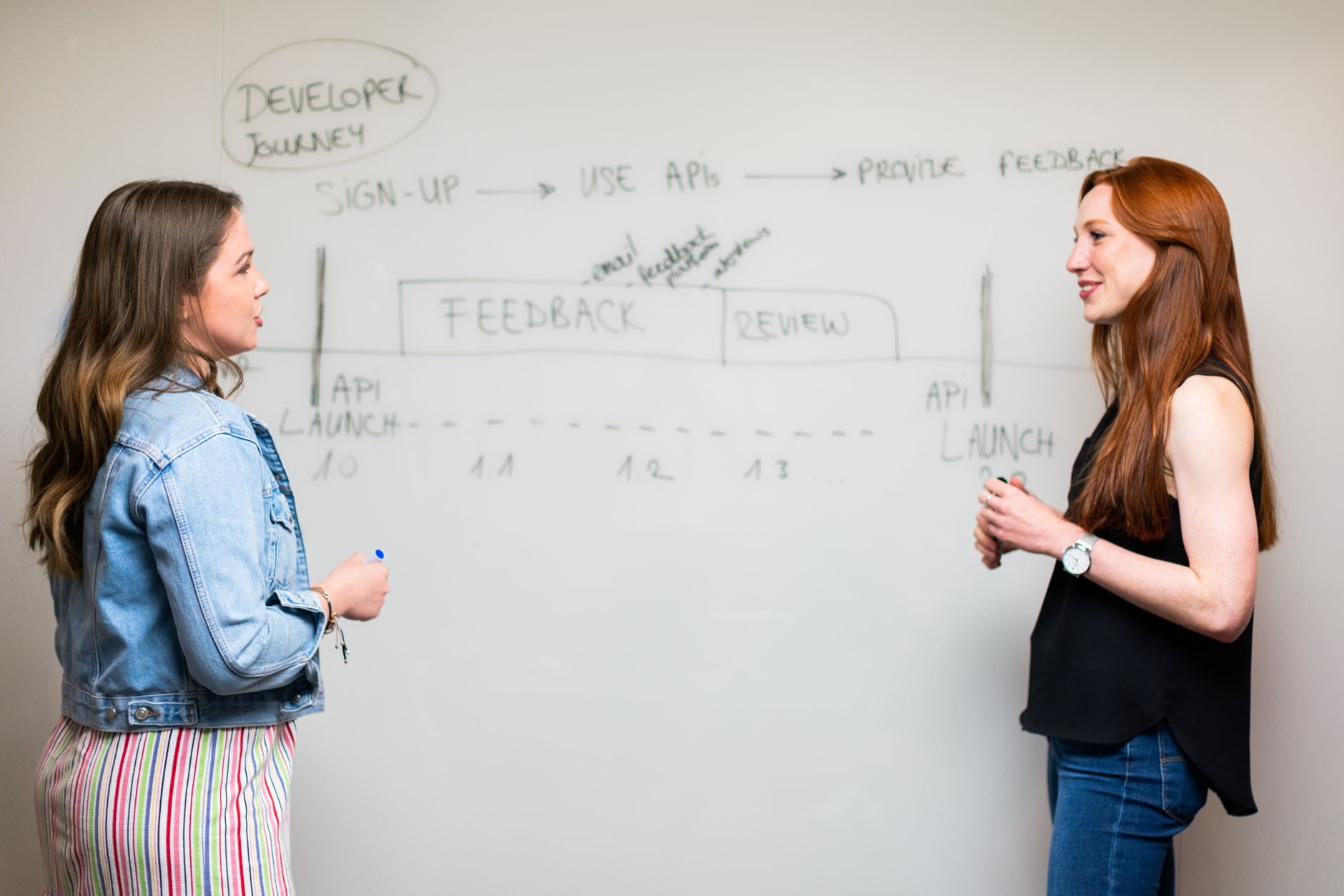
Two technology colleagues discussing a development process at a whiteboard.

Relevant technical depth. Clear decisions. Collaborative leadership.

Trusted by the best

01 / Your priorities

Define the architecture decisions before writing the candidate profile.

An architect vacancy can conceal several different needs. Your team may need help defining a new system, connecting existing applications, reviewing a proposed design, or guiding a change that spans teams. Describe the actual decisions and the context surrounding them. Identify what is already agreed, what remains open, and how the architect will work with engineering and business colleagues. That context is more useful than a title followed by a long list of technologies.

The search should also explain how architecture becomes implemented work. Clarify whether the role includes hands-on development, design review, technical leadership, or a combination of responsibilities. Identify the authority attached to recommendations and the people who make final decisions. Alpha Apex Group uses the role's context to examine relevant experience and leadership fit, including how candidates have worked with colleagues who must build, operate, and maintain the systems they help design.

System scope & boundaries

Identify the applications, services, and interfaces within the role's remit. Explain where the architect will lead and where other teams or specialists retain ownership. Ask candidates about comparable boundaries and the decisions they personally influenced. A clear scope helps the hiring team distinguish experience designing one part of a system from responsibility for coordinating a wider environment, without assuming that broader experience is automatically better for every appointment.

Design judgment and trade-offs

Explore how candidates compare alternatives, identify constraints, and explain the consequences of a recommendation. Ask what information changed their thinking and which assumptions needed to be tested. Connect that discussion with the choices your team expects to face. The assessment should reveal reasoning and judgment, including how the candidate communicates uncertainty, rather than reward familiarity with a preferred pattern without examining whether it fits the actual problem.

Engineering leadership & collaboration

Clarify how the architect will work with developers, product colleagues, operations, and other relevant owners. Explore examples of design disagreements, feedback, and implementation questions. Ask how the candidate helped a team understand and apply a decision. Look for the ability to lead useful technical conversations and adapt to evidence, while making responsibilities clear enough that architecture work supports delivery instead of leaving teams with recommendations they cannot interpret.

Long-term thinking & development

Discuss how the candidate considers the people who will maintain and extend a system after its initial delivery. Explore documentation, knowledge transfer, and the review of decisions as requirements change. Connect the appointment with development needs and continued guidance agreed in scope. This gives the role a longer perspective while keeping the search grounded in the capabilities needed now and the support available within your organization.

02 / Recruitment priorities

Connect software architect staffing with the work your teams need to move forward.

Role definition and architecture leadership fit

Translate the project or organizational need into a clear architecture mandate. Identify the technical context, decision authority, and collaboration expected. Separate essential experience from preferences that could narrow the search without improving relevance. Consider how the architect will contribute within your team's working practices and where they may help those practices develop. A useful brief gives candidates a realistic picture of both the technical work and the leadership responsibilities.

Candidate evaluation and continued development

Assess technical depth alongside the ability to guide people through complex choices. Explore the candidate's own contribution to previous architecture work, the constraints involved, and how decisions translated into implementation. Identify strengths and areas requiring further discussion before selection. Where continued guidance or professional development is included, agree its purpose and scope explicitly. Recruitment should establish a credible starting point for the appointment and a shared understanding of how the architect can continue developing within the responsibilities your organization needs them to fulfill.

03 / Our approach

Move from an architecture requirement to a considered appointment.

01

Clarify the technical and organizational context

Discuss the systems involved, the decisions ahead, and the reason additional architecture capability is needed. Identify the teams and stakeholders affected. Review existing constraints and the responsibilities held by other technical leaders. Agree the contribution expected from the appointment, including the balance between design and implementation. Record unresolved questions so they can be addressed during the search instead of presenting an apparently precise brief built on conflicting assumptions.

02

Identify experience relevant to the mandate

Look for candidates whose work relates to the system scope and leadership responsibilities in the brief. Examine their direct contribution, the environment in which they worked, and the support provided by colleagues. Distinguish ownership from participation in a larger initiative. This helps the hiring team evaluate transferable experience and recognize where a familiar technology name provides only limited evidence about the decisions a candidate has actually made.

03

Explore design reasoning and collaborative practice

Coordinate interviews around the evidence each stakeholder needs. Use relevant examples and proportionate scenarios to discuss alternatives, dependencies, and implementation considerations. Explore how candidates have worked through disagreement and revised decisions after feedback. Give them enough context to explain their reasoning while avoiding requests for confidential materials from previous employers. Compare responses against the agreed mandate and identify remaining questions before moving to a selection decision.

04

Prepare the appointment and development expectations

Bring the assessment findings back to the role requirements and clarify expectations with the selected candidate. Identify the team contacts, existing decisions, and initial work they will need to understand. Agree any continued guidance or development support included in the engagement. A prepared transition connects the recruitment process with the architect's actual responsibilities, helping colleagues understand how to involve the new appointment in design, review, and delivery discussions.

A professional adding API planning notes to a whiteboard.

Assess architecture through reasoning, evidence, and implementation context.

04 / Architecture assessment

Look at how the candidate reaches a decision and helps others put it into practice.

Focused discussions can reveal technical judgment, collaboration, and awareness of the responsibilities that continue after a design has been agreed.

Comparing two plausible design directions

Present a relevant problem with enough context to discuss constraints and ask the candidate what else they would need to know. Explore the alternatives, assumptions, and implications of each direction. Ask how they would explain the recommendation to different stakeholders. The purpose is to understand a decision process, including how uncertainty is handled, rather than require one predetermined answer to a scenario that lacks the full context of a real system.

Resolving an interface between teams

Discuss an example involving work owned by more than one team. Ask how the candidate clarified responsibilities, surfaced dependencies, and helped colleagues agree a workable approach. Explore what happened when assumptions differed or implementation exposed a new issue. This reveals how architecture leadership operates through relationships and shared decisions, including whether the candidate can keep technical discussions connected with the work each team must deliver and maintain.

Revisiting a decision after requirements change

Ask the candidate to explain a design choice that needed review later. Explore what changed, how the impact was understood, and how the team decided whether to adapt or retain the original approach. Discuss the communication and documentation involved. Look for a considered response to new evidence, including the ability to distinguish a material change from a preference that does not justify disrupting work already under way.

05 / Your business

Match architect recruitment with your current delivery context.

Teams shaping a new software initiative

Identify the problem, intended users, and decisions that need architectural input before implementation progresses. Clarify the product and engineering roles already involved and where the architect will contribute. Assess candidates' experience working with incomplete information and developing a direction with others. The brief should distinguish decisions needed now from questions that can remain open, helping the search focus on judgment and collaboration at this stage of the work.

Organizations evolving existing systems

Describe the current environment and the reasons change is being considered. Identify constraints, dependencies, and responsibilities that must be understood before recommendations are made. Explore candidates' experience evaluating an existing system and coordinating changes with the people who operate it. Recruitment should reflect the need to work with present conditions, including undocumented knowledge and existing commitments, while helping teams make deliberate choices about what should change next.

Engineering groups coordinating across teams

Clarify which decisions need consistency and which remain with individual teams. Identify the relationships the architect will need to build and the mechanisms used to resolve disagreements. Assess experience guiding shared decisions without losing sight of local implementation needs. A clear mandate helps candidates understand whether the role is primarily advisory, accountable for particular designs, or responsible for coordinating a wider architecture direction across the organization.

Businesses planning architecture leadership succession

Review the responsibilities that need continuity and the capabilities required for upcoming work. Identify decisions, relationships, and knowledge that the incoming architect will need to understand. Define the role around future requirements rather than recreate the previous person's exact background. This makes room for relevant candidates while keeping the essential contribution clear, including the support and handover needed to make the transition useful for the engineering team.

06 / Common questions

Clarify your software and systems architect recruitment engagement.

Answers about role scope, technical breadth, leadership assessment, interviews, collaboration, development, transition, and preparing the initial brief.

Discuss your architect recruitment needs →
What does software architect recruitment focus on?

The search connects your architecture needs with relevant technical and leadership experience. Define the systems, decisions, and working relationships included in the role. Assess how candidates reason through choices and support implementation with others. The engagement should reflect your organization and project context, including the balance between design, hands-on contribution, and technical leadership, rather than treat every architect title as an interchangeable candidate profile.

Should we recruit a software architect or systems architect?

Start with the scope of the work rather than the label. Describe the parts of the environment the person will influence, the interfaces involved, and the decisions they will own. Clarify how the role relates to engineering and other technical leaders. Those details provide a stronger basis for the search and help candidates understand the breadth expected, even when their previous employers used different titles for comparable responsibilities.

How specific should the technology requirements be?

Identify which technologies require immediate practical experience and which can be learned within the support available. Connect each essential requirement with a responsibility the architect will perform. Examine relevant technical depth without allowing a list of products to replace assessment of design judgment and collaboration. This helps distinguish a necessary capability from a preference and keeps the brief focused on the contribution the appointment must make.

How can architecture leadership be assessed?

Ask candidates to explain decisions they influenced, the people involved, and how the work moved into implementation. Explore disagreement, feedback, and changes in direction. Clarify their own responsibility instead of attributing a whole team's outcome to one person. The discussion should establish how they guide technical work and help colleagues make informed choices, including how they respond when another person's evidence challenges the initial recommendation.

What should a technical interview include?

Use questions and scenarios linked to the role's actual decisions. Ask candidates to identify assumptions, compare alternatives, and explain implementation implications. Keep the exercise proportionate and provide enough context for useful discussion. Avoid requesting confidential designs or substantial unpaid project work. A well-focused interview helps assess reasoning and communication while leaving space to explore relevant examples from the candidate's own experience.

How do you consider collaboration and company culture?

Translate broad expectations into observable working practices. Discuss how the team reviews designs, handles disagreement, shares knowledge, and makes decisions. Explore candidates' experience with those practices and their ability to adapt or improve them. This gives collaboration a practical basis and helps the hiring team evaluate relevant behavior, rather than use vague similarity with existing colleagues as a substitute for evidence about working effectively together.

Can support extend beyond the initial hire?

Continued guidance, professional development, and career planning can be discussed as part of the engagement. Agree what support is included, who participates, and how it relates to the architect's responsibilities. Keep expectations explicit so the appointment and development discussions reinforce each other. The aim is to connect current contribution with future capability, without assuming every placement automatically includes the same activities or a fixed development program.

What should we prepare for the first discussion?

Describe the architecture need, the systems involved, and the decisions the role will help make. Share an outline of the team and the balance between design and implementation. Highlight uncertainties about scope or authority. A high-level overview is enough to begin; proprietary designs, source code, credentials, and sensitive technical materials can remain within your organization until appropriate arrangements establish what information is needed.

From selection to useful architecture contribution

Give the architect context, relationships, and a clear first responsibility.

Carry the recruitment brief into onboarding so the new colleague understands existing decisions and how architecture work connects with delivery.

Introduce the decision history

Share relevant design records and explain why significant choices were made. Identify assumptions that remain valid and questions still open, helping the architect understand the starting point before proposing a new direction.

Connect implementation owners

Introduce the colleagues who build, review, and operate the affected systems. Clarify how they participate in design decisions and how questions should be resolved as work moves from a proposal into implementation.

Agree the initial contribution

Choose a defined piece of work with clear responsibilities and review expectations. Use it to establish a shared working approach and identify where additional context or development support would help the appointment contribute effectively.