6 Inspiring Company Culture Examples You Can Learn From
A strong company culture isn’t just something people appreciate. It directly shapes how a business performs.
Research says that only about 32% of U.S. employees feel engaged at work, which means most teams are operating without the energy, clarity, or connection they need to do their best work. When engagement is this low, culture becomes one of the few levers leaders can still control to improve how their organization runs.
This article breaks down what real culture looks like inside high-performing companies and shows how you can apply those lessons in your own organization.
P.S. Struggling to build a culture that actually sticks instead of slipping back into old habits? You don’t have to figure it out alone. Check out our guide to the Top 11 Company Culture Consulting Firms and find the right experts to help you strengthen your organization from the inside out.
How to Evaluate Company Culture (A Quick Framework for Readers)
Before looking at real company examples, it helps to understand how to evaluate company culture. Many leaders want a stronger workplace culture but lack a simple way to assess what is working and what is missing.
This framework prepares you to interpret the examples that follow and gives you a structure you can use inside your own business. With a shared baseline, you can see how culture shapes employee engagement, trust, and performance, and you can recognize the patterns that separate strong cultures from weak ones.
Start by reviewing the elements that define daily life at work.
Leadership style and company values shape how people act because employees watch what leaders emphasize. Communication is another signal. Look for open channels where employee feedback is encouraged because steady input supports employee engagement.
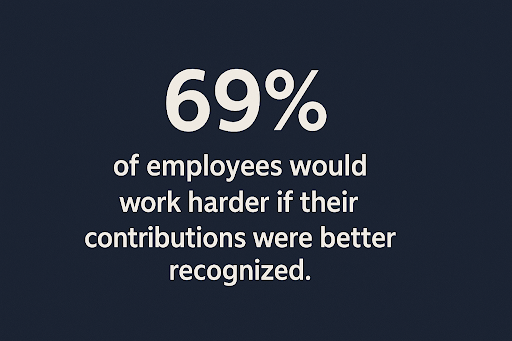
Recognition influences motivation as well. One report found that 69% of employees would work harder if their contributions were better recognized. This shows how a strong recognition program contributes to employee satisfaction.
Flexibility deserves attention because it often reveals how much an organization trusts its people.
Company policies around schedules, remote work, and time management show whether leaders respect personal needs and support employee well-being. A flexible culture tends to reduce burnout and makes it easier for employees to stay engaged.
In practice, flexibility is not about perks. It is about whether the company treats employees like adults who can manage their work in a way that supports performance and balance.
Inclusion is another key indicator.
Look for employee resource groups, visible support for diversity and inclusion, and an office layout that encourages a collaborative culture. Wellness programs and mental health resources also reflect how the organization cares for people. When you review these elements together, you see how employees truly experience the culture each day.
Trust and alignment separate average cultures from strong ones.
Pay attention to how openly leaders communicate and whether decisions are explained with enough clarity to build confidence. According to a survey, only 23% of U.S. employees strongly trust their leadership, which makes transparency a defining part of healthy corporate culture.
High performers connect their core values to daily actions and rely on consistent performance management routines to support a high-performance culture. When employees see integrity in decisions and feel included in the direction of the business, trust grows and alignment strengthens.
Example 1: Zappos - The Blueprint for Customer-Obsessed Culture
Zappos is widely known for a customer-obsessed organizational culture that centers on delivering memorable service. The workplace culture feels quirky and energetic, yet it is grounded in discipline around customer experience.
An article on Fast Company described Zappos as a brand that reshaped expectations of online service by creating a values-driven environment that encourages employees to surprise and delight customers. This focus helped the company earn a place among global elite performers.
In 2025, only 10 brands held “elite” status in Forrester’s Global Customer Experience Index and Zappos remained in that group. Core values such as “Deliver WOW Through Service” guide decisions made each day, not just how they appear in a handbook.
How They Built It
Tony Hsieh shaped the culture early. Hiring focuses on cultural alignment first, then skill. New hires go through immersive onboarding that teaches Zappos' history, behaviors, and stories tied to the 10 core values. At the end of training, employees are offered a bonus to quit if the culture does not feel right.
Very few accept the offer, which signals the level of commitment among those who stay. The environment avoids unnecessary hierarchy, and office layout choices support informal collaboration. Trust shows up in how frontline teams decide how to help customers without scripts or rigid quotas.
What Makes It Work
Zappos operates on simple but powerful practices. Service reps stay on calls as long as needed and have the authority to solve problems creatively. Recognition shows up in daily interactions and through structured recognition and rewards tied to values.
The Culture Book, published yearly with unedited employee reflections, acts as a tool for accountability and transparency. Because employees understand expectations and receive consistent recognition, engagement stays strong and customer experience benefits.
What Other Companies Can Learn
Zappos shows how organizational culture can become a competitive advantage. Leaders who want a similar effect can define the experience they want customers to remember, connect that experience to company values, and align hiring, onboarding, and recognition with those values. When employees have autonomy, clarity, and visible appreciation, customer loyalty often follows.
Example 2: Patagonia - Purpose-Led Culture With Environmental Commitment
Patagonia is known for its purpose led organizational culture grounded in environmental activism. Its mission statement, “We’re in business to save our home planet,” guides product decisions, communication, and hiring.
One report shows how Patagonia builds trust by aligning its actions with its public values. The piece on supply chain transparency explains that companies like Patagonia earn credibility when they openly share information about sourcing and support the communities tied to their products. This openness signals that Patagonia’s environmental values shape real decisions, which strengthens its reputation as a purpose-led and trustworthy brand.
Employees join because they care about environmental impact, so personal values line up naturally with workplace culture. Patagonia supports employee well-being with flexible hours, on-site childcare, and a culture that encourages activism and outdoor life.
How They Built It
Patagonia built its culture by hard-wiring environmental responsibility into how decisions are made across the company. Leadership put long-term climate impact at the center of its business model rather than treating it as a side initiative. This approach became even more explicit when Patagonia shifted to an ownership structure designed to direct company profit toward environmental protection.
The change, detailed in a recent feature on Patagonia’s ownership model, shows how the company tied its purpose to a legal and financial system that keeps its environmental values at the core of daily operations. This structure reinforces the mission across hiring, product decisions, and community commitments and ensures the culture stays aligned with the company’s original intent.
What Makes It Work
Patagonia turns purpose into visible daily action. Employees can volunteer with environmental organizations while receiving pay, and teams often collaborate with the internal environmental group on materials, packaging, or supply chain choices.
The environment encourages collaborative culture rather than rigid hierarchical culture. Purpose ties closely to employee engagement because people believe their work helps solve real problems. This sense of meaning keeps morale high and supports strong performance.
What Other Companies Can Learn
Patagonia shows that purpose and profit can reinforce each other. A recent report found that 58% of purpose-driven brandsachieved double-digit growth in 2024. Companies can start by identifying a clear purpose that aligns with their mission, then connecting that purpose to decisions about materials, benefits, hiring, and reporting.
When values and action match, the result is stronger employee satisfaction, deeper trust, and a workplace culture that appeals to customers and talent.
Example 3: Netflix - High-Performance Culture Built on Freedom and Responsibility
Netflix is known for a high-performance culture shaped by the idea of Freedom and Responsibility. The company expects employees to use sound judgment rather than rely on detailed rules. Its culture deck explains the principles behind this philosophy, including talent density, candor, and simple guidelines that support fast decisions.
These expectations are outlined in the Netflix culture page, which describes the focus on open communication, high standards, and trust in individual decision-making. The emphasis on transparency and adult-level autonomy sets Netflix apart from more traditional corporate environments.
How They Built It
Netflix developed its cultural principles early so they could scale with the company. The culture page linked above confirms the focus on top-of-market pay, selective hiring, and the keeper test. Managers evaluate whether they would fight to keep each employee which keeps standards clear and teams strong.
The same document describes a preference for simple policies, direct feedback, and context sharing rather than rule-based control. This approach reduces friction because teams understand expectations, communicate openly, and correct issues quickly rather than waiting for annual cycles.
What Makes It Work
Netflix supports autonomy by giving employees clear context that helps them make good decisions. Strategy information is shared widely so teams understand priorities without relying on approval chains. Performance results show the impact of this model.
Netflix generates about $3.10M in revenue per employee, which ranks it among the top performers in its industry. High trust, open information, and strong standards create an environment where innovation moves quickly and accountability stays visible.
What Other Companies Can Learn
Netflix demonstrates that removing unnecessary controls can increase creativity and speed. Leaders can start by simplifying approval processes and offering teams more context so they can act confidently.
Regular discussions about performance can replace slow, once-a-year assessments. Companies can also adopt clearer expectations for cultural fit while ensuring that departures are handled respectfully. When autonomy is paired with high standards and open information, teams respond with stronger engagement and better alignment.
Example 4: HubSpot - Transparent, People First Culture via the Culture Code
HubSpot describes its culture as mission driven, transparent, and built around a shared set of values summarized as HEART: humble, empathetic, adaptable, remarkable, and transparent. In its public culture code, the company frames culture as “a work in progress” that has been updated many times as the business grows.
The same deck highlights ideas like “power is now gained by sharing knowledge, not hoarding it,” a “no-door policy” where people can access anyone in the company, and a belief that results should matter more than when or where work happens. Together, these principles reinforce a people-first environment where employees are trusted to use good judgment and focus on solving for the customer.
How They Built It
A detailed people and culture Q&A explains that HubSpot’s co-founder Dharmesh Shah drafted the original culture deck himself, then opened it up for broad input. He shared the draft on the company wiki for written comments and presented it live so employees could ask questions and challenge assumptions.
After several iterations with the leadership team, the deck was “shipped” rather than endlessly debated, with a clear point of view that would both attract the right people and help others opt out. The same Q&A notes that the deck was later made public to reflect HubSpot’s commitment to transparency and to give employees, candidates, customers, and partners a consistent view of what the company stands for.
What Makes It Work
One detailed workplace culture profile describes how HubSpot connects its cultural ideals to day-to-day practices. Teams are expected to act as problem-solvers who can choose their own path to a goal, as long as they can make a strong, data-driven case for their approach.
Employees have broad access to information, including financials, board materials, and strategy decks, which reinforces the “no-door policy” and makes transparency a default rather than an exception. The same piece highlights how HEART values guide behavior, shaping how people work together and how decisions are made.
This mix of autonomy, access to information, and clear values helps employees feel ownership over their work and see how their contributions affect the bigger picture.
What Other Companies Can Learn
That culture breakdown also emphasizes that values only matter when they are simple, memorable, and used consistently. HubSpot keeps its core traits to a small set under HEART and expects them to influence hiring, interviewing, and onboarding, not just internal slogans or slideware.
Leaders are encouraged to let values inform how they select and grow talent, how they recognize contributions, and how they design employee programs. Other organizations can borrow this approach by codifying a short list of behaviors that truly fit their strategy, making those expectations visible in everyday decisions, and giving people enough autonomy and information to act on them.
When values, practices, and transparency line up, culture becomes a practical operating system instead of a poster on the wall.
Example 5: Spotify - Agile, Collaborative, Team Based “Tribes and Squads”
Spotify organizes product development around the Spotify model, a people-driven approach to scaling agile that emphasizes autonomy, culture, and networks over rigid processes. Squads are small, cross-functional teams of roughly 6–12 people that own a specific feature area, each with a clear mission, a product owner for direction, and an agile coach for support.
Squads choose the agile framework that fits their work and are grouped into Tribes, larger units that keep related squads aligned on shared goals. Chapters and Guilds add a second layer of connection: Chapters bring together specialists (like frontend developers or DBAs) across squads to maintain standards, while Guilds act as voluntary communities of interest that can span multiple Tribes.
Together, this structure supports fast-moving collaboration without sacrificing alignment or quality.
How They Built It
The description of the model shows how Spotify responded to the challenge of rapid growth by iterating on its team structure rather than locking into a fixed framework. As the company scaled, more squads were added to cover new feature areas, and coordinating them required a lightweight way to keep people connected.
Tribes emerged as a way to cluster squads that work on related parts of the product, with a Tribe Lead focused on coordination and collaboration instead of command-and-control.
Chapters gave specialists a “home” to share best practices and maintain engineering standards across squads, while Guilds created open communities so anyone interested in a topic could share learning regardless of reporting lines.
Over time, Spotify added newer elements such as Trios and Alliances to keep product, design, and engineering aligned as the organization grew, treating the model itself as something to refine based on real-world feedback.
What Makes It Work
The same breakdown of the model emphasizes that its power comes from balancing autonomy with alignment. Squads decide how to work day to day, but shared structures like Tribes, Chapters, and Guilds keep strategy, standards, and knowledge flowing across teams.
The benefits the model is designed to enable include fewer formal ceremonies, more self-management, and decentralized decision-making, so teams can pivot quickly without waiting for top-down approval.
Spotify’s approach trusts squads to ship software, change direction when needed, and experiment with new ideas, while the surrounding network provides visibility and guardrails.
When this works well, it creates a high-trust environment where people feel ownership over their work and can see how their decisions contribute to better products and more engaged customers.
What Other Companies Can Learn
The guidance attached to the Spotify model stresses that it should be a source of inspiration, not a template to copy. Rather than renaming teams “squads” and departments “tribes,” organizations are encouraged to understand the principles behind the structure and adapt them to their own context.
This discussion emphasizes a few practical moves: push more decisions to teams, give them freedom to choose tools and practices where possible, and build trust through transparency and community. For example by forming guild-like groups around topics that matter across the business.
It also warns that the model has evolved inside Spotify and will need to evolve elsewhere too, so leaders should expect experimentation, missteps, and iteration.
The takeaway is that you can borrow the idea of small, autonomous teams connected by flexible networks, but you still have to design a version that fits your strategy, culture, and constraints.
Example 6: Salesforce - Trust, Inclusion, and Philanthropy at Scale
Salesforce is known for a values-driven culture that combines trust, equality, and a strong sense of community often described as an Ohana culture. In this framing, employees, customers, partners, and local communities are treated as one extended family, with a shared responsibility to support one another.
The same culture piece outlines core values such as trust, innovation, equality, and sustainability. It explains that Salesforce was founded to prioritize collaboration, inclusivity, and the well-being of every individual. This combination of clear values and a community mindset underpins how the company thinks about its role in the world.
How They Built It
Salesforce’s culture of giving is anchored in a long-standing giving back update that describes its 1-1-1 philanthropic model. Since its early days, the company has dedicated 1% of its equity, 1% of its product, and 1% of employees’ time to communities. It treats philanthropy as part of the business model rather than a side program.
That same overview notes that this approach has scaled alongside the company, supporting education, climate justice, and other social priorities while Salesforce continues to grow. By building philanthropy into its structure from the beginning, Salesforce made it easier to keep decisions aligned with its values as the organization expanded and entered new markets.
What Makes It Work
The giving back report also shows how this model translates into measurable impact. Through the 1-1-1 approach, Salesforce has provided around $700 million in grants, contributed 8.7 million employee volunteer hours, and offered its technology to more than 56,000 nonprofit and education customers.
These numbers reflect a culture where employees are encouraged to volunteer, participate in community projects, and see their skills as part of the company’s social contribution. Philanthropy is connected to strategy as well, with focused efforts in areas like education and climate justice so that grants, technology donations, and volunteer time reinforce one another.
This combination of clear commitments, transparent impact, and employee participation keeps giving back woven into everyday work rather than confined to occasional campaigns.
What Other Companies Can Learn
Together, the Ohana mindset and the 1-1-1 model offer a blueprint for scaling values without losing clarity. Salesforce shows that it is possible to define a culture around community and equality, then lock those ideas into concrete mechanisms like dedicated time, equity, and product for social impact.
Organizations that want to follow this path do not need Salesforce’s resources to start; they can begin by identifying a few core values, making a specific commitment to give time or resources, and inviting employees to take part in shaping where that support goes.
When people see that values like trust, equality, and community influence real decisions, they are more likely to speak up, stay engaged, and feel proud of where they work. Over time, that trust-rich environment strengthens both culture and customer relationships.
Key Lessons Learned from These Culture Leaders
These examples reveal patterns that show what actually moves cultures forward and keeps them strong. Here’s what these companies consistently get right and what you can apply in your own organization.
Lesson 1: Culture Must Align with Strategy
A clear pattern across high performing organizations is that culture and strategy are built together, not bolted on later. The most resilient environments are ones where daily habits, decision rules, and unwritten norms all support what the business is actually trying to achieve. When that alignment is missing, even a smart strategy can stall because the way people work pulls in a different direction.
Leaders are starting to recognize this. In one global survey of senior executives, 71% ranked culture as a top driver of financial performance, up sharply from just a few years ago. That shift shows how culture has moved from “HR topic” to core business lever.
Alignment also requires honesty about tradeoffs. A risk-averse environment slows innovation. A rigid system slows agility. A culture that rewards only short term output will quietly undercut long term learning and experimentation.
When values, systems, and goals match, work feels smoother because people share assumptions about how decisions get made and what “good” looks like. When they do not match, friction shows up as rework, slow decisions, shadow approvals, and change fatigue.
The practical lesson is to treat culture as part of strategy execution. Leaders should regularly discuss cultural blockers and enablers in the same meetings where they review plans and performance. Storytelling, incentives, and training then become tools to help people work in new ways, not just communication campaigns. Culture is not a slogan at the end of a slide deck. When used well, it becomes a strategy tool that creates long term advantage.
Lesson 2: Values Only Matter When Operationalized
Values create impact only when they show up in everyday choices. Many organizations publish inspiring value statements, yet employees quickly become skeptical if budget decisions, promotions, or product calls contradict those words. Culture leaders work hard to close that gap between stated values and lived experience.
Operational values are specific and behavioral. Instead of “innovation” as a vague aspiration, leaders define what it looks like in meetings, feedback, experiments, and risk taking. Instead of “customer first” as a tagline, they design policies that give frontline employees authority to fix issues and remove common pain points. Hiring, onboarding, performance reviews, and recognition programs all point back to the same concrete behaviors.
Values in action also fuel advocacy. One analysis of engagement and customer outcomes found that engaged employees are 5X more likely to recommend their company’s products to others, directly supporting growth through word of mouth. This kind of employee advocacy is hard to buy with marketing spend alone.
The lesson is simple but demanding. Values on the wall need to become values in workflow. Leaders should ask which specific behaviors match each value, build systems that make those behaviors easier, and then recognize people when they show up that way. Over time, this closes the credibility gap and strengthens both engagement and culture.
Lesson 3: Leaders Set the Tone, Systems Keep It Alive
Leaders shape culture through what they pay attention to, how they react under pressure, and which behaviors they quietly tolerate. People watch how leaders handle mistakes, respond to bad news, and talk about customers or colleagues when they are not in the room. These moments do more to define culture than any formal announcement.
Data backs up that influence. Gallup’s research shows that managers account for at least 70% of the variance in employee engagement scores across teams. When leaders model humility, openness, and fairness, they create psychological safety, which strengthens candor and collaboration. When they are inconsistent or dismissive, employees quickly learn to hold back ideas and protect themselves.
But leadership behavior alone is not enough at scale. Systems translate good intentions into repeatable norms. Clear decision rights, hiring rubrics, onboarding journeys, feedback rituals, and recognition programs all help ensure that culture does not depend on a few charismatic individuals.
For example, one study of smaller organizations found that employees who felt proud of their workplace were 18X more likely to say they wanted to stay with their employer for a long time. This shows how everyday cultural signals shape retention.
The pattern is that strong cultures pair leadership tone with reliable processes. Leaders act as visible role models, while systems reinforce the behaviors the organization wants to see every day, even when leaders are not in the room.
The lesson for anyone driving culture change is to work on both sides at once. Invest in developing leaders who can coach and communicate effectively, and build simple, consistent systems that keep the desired culture alive through growth, turnover, and transformation.
How to Apply These Culture Insights in Your Own Organization
Use this as a quick, practical checklist. Share it with your leadership team and treat it like a simple roadmap for making culture changes stick:
Define your cultural “north star”: Write a simple statement that describes the culture you want and how it supports your strategy.
Translate values into behaviors: For each value, list 3–5 concrete behaviors you expect to see in daily work.
Co-create the culture with employees: Involve leaders and employees in shaping the vision through workshops, listening sessions, or surveys.
Bake culture into hiring: Add interview questions that test for values alignment and how candidates have behaved in real situations.
Set expectations early in onboarding: Use the first weeks to explain how decisions are made, how people work together, and what “good” looks like.
Align performance management with values: Review both what people deliver and how they deliver it in reviews, promotions, and rewards.
Create ongoing recognition rituals: Regularly celebrate behaviors that reflect your values in meetings, chat channels, or internal newsletters.
Build reliable feedback loops: Run engagement or pulse surveys, town halls, and manager check-ins, and close the loop by acting on what you hear.
Track culture metrics over time: Monitor engagement, eNPS, turnover, promotion rates, and internal mobility to see if culture is improving.
Adjust and iterate deliberately: Revisit values, behaviors, and practices at least annually, involving employees in changes so the culture evolves with the business.
Build a High-Performance Culture With Alpha Apex Group
A strong company culture does not happen by accident. It takes clarity, consistency, and a willingness to align daily behaviors with the values you want your organization to represent.
The companies mentioned in this blog show that culture becomes a real competitive advantage when it is intentional, operationalized, and reinforced through systems that support how people actually work.
When employees understand the expectations, trust leadership, and feel connected to the mission, the entire organization moves with more energy, focus, and accountability.
If you’re ready to strengthen your culture but want expert guidance to align strategy, values, leadership, and day-to-day behaviors, Alpha Apex Group can help. Our team specializes in building clear, actionable culture frameworks that drive performance, trust, and long-term growth.
Connect with ustoday to start building a culture that truly works.
Frequently Asked Questions
What culture is best for a company?
The best culture is the one that aligns with your business goals and supports how your teams work. Companies succeed when their values, systems, and behaviors reinforce the outcomes they want. There’s no universal “best,” only what fits your strategy and people.
What are the 4 types of company culture?
A common framework identifies four types: Clan (collaborative), Adhocracy (innovative), Market (results-driven), and Hierarchy (structured). Many companies blend these depending on industry and growth stage. The key is choosing the mix that supports your strategy.
What are the five 5 components of culture?
The core components usually include values, behaviors, leadership style, communication norms, and workplace systems. These elements shape how employees interact and make decisions each day. When they work together, culture stays consistent and clear.
Is a positive company culture important?
Yes. A positive culture improves trust, engagement, and retention, which strengthens overall performance. When employees feel supported and aligned with the mission, the company benefits from better teamwork and stronger results.
What types of companies does Alpha Apex Group work with?
We partner with startups, mid-size companies, and large organizations that want a clearer culture framework, stronger leadership alignment, or better employee engagement. Our approach adapts to your industry, team size, and growth stage.
How does Alpha Apex Group customize a culture strategy for each client?
We begin with a cultural assessment, leadership interviews, and a review of existing behaviors. Then we build a tailored strategy that aligns values, expectations, and daily habits, so your culture becomes consistent and actionable.
Does Alpha Apex Group offer ongoing support after the initial engagement?
Yes. We provide follow-up coaching, leadership development, and ongoing culture reviews to help teams maintain momentum. You can continue with structured support or schedule periodic check-ins as needed.
.jpg)
.jpg)